28 Dec
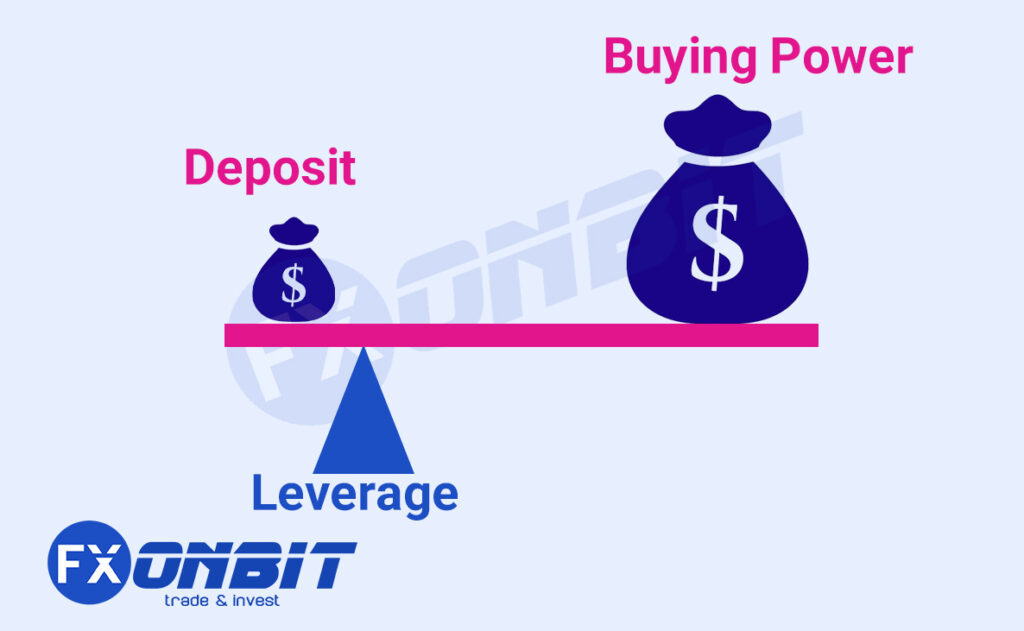
Leverage is one of the most powerful tools available to forex traders. It allows you to control a large position with a relatively small amount of capital. While leverage can amplify your profits, it also significantly increases the risks. Understanding how it works, its advantages, and how to use it responsibly is essential for any trader.
What Is Forex Leverage?
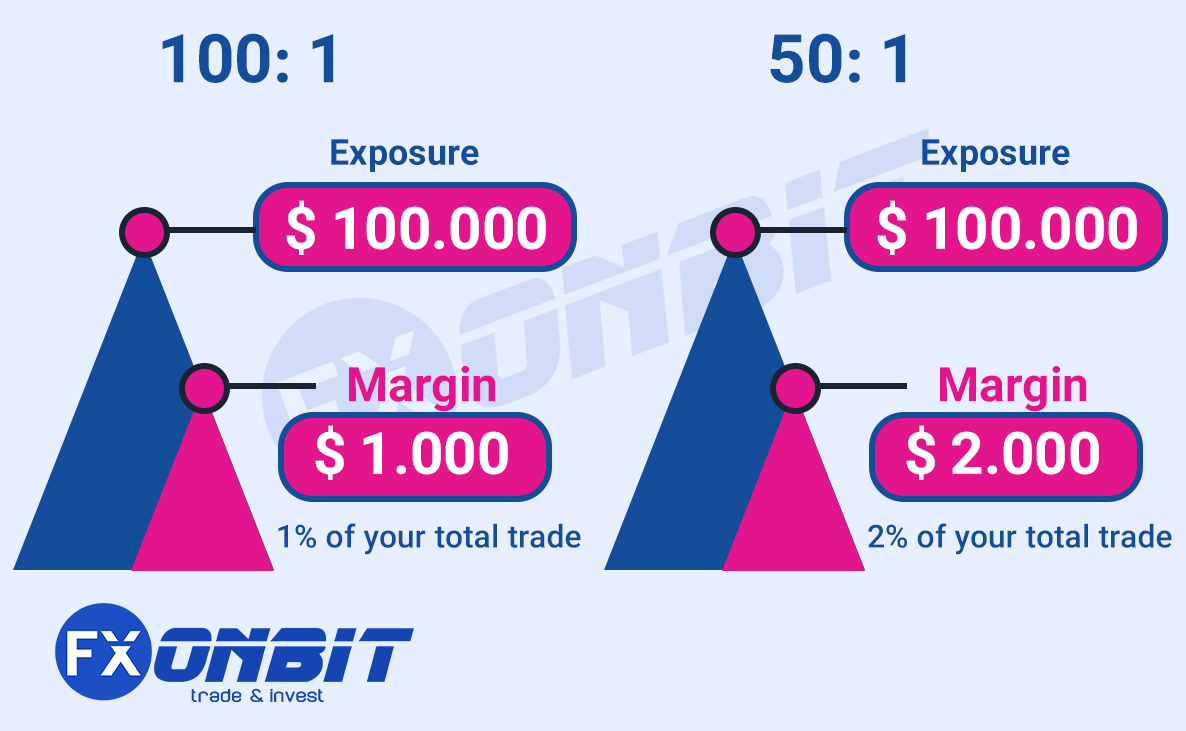
Leverage in forex trading refers to the ability to control a larger position size using borrowed capital. It is expressed as a ratio, such as 50:1, 100:1, or 500:1. For example, a leverage of 100:1 means that for every $1 of your own money, you can trade $100 in the market.
Example: If your trading account has $1,000 and your broker offers 100:1 leverage, you can open positions worth $100,000.
Read More: Top 10 Forex Trading Strategies for Consistent Profits
How Does Leverage Work?
Leverage works by using a margin account, where the broker requires a small initial deposit to open and maintain positions. This margin acts as collateral for the leveraged amount.
Key Terms:
- Margin: The portion of your own funds required to open a leveraged position. For example, at 100:1 leverage, you need 1% of the position’s value as margin.
- Free Margin: The funds available in your account that are not being used as margin. This can be used to open new trades or absorb losses.
- Margin Call: If your account’s equity falls below the required margin, the broker may issue a margin call, requiring you to add funds or close positions.
Read more: A Comprehensive Guide to Forex Scanner
Advantages of Forex Leverage
- Increased Market Exposure: Leverage allows traders with small capital to access large market positions and potentially significant profits.
- Flexibility in Trading Strategies: With leverage, traders can diversify their positions or use different trading strategies that require higher capital.
- Low Capital Requirement: You don’t need to have the full position amount in your account. This lowers the entry barrier for retail traders.
Explore more: What is Forex Screener? Free Trading Opportunities with a Comprehensive Tool
The Risks of Leverage
While leverage can amplify gains, it also magnifies losses. It’s essential to understand the potential risks before using high leverage.
- Increased Losses: If the market moves against your position, your losses are multiplied by the same factor as your gains. For example, a 1% adverse movement on a $100,000 position with 100:1 leverage results in a $1,000 loss, which could wipe out your initial deposit.
- Margin Calls and Stop-Outs: High leverage increases the likelihood of margin calls. If your account equity falls below a certain level, your broker may close your positions to prevent further losses.
- Emotional Pressure: Trading with leverage can be stressful, as even small market movements can result in significant financial swings.
Read More: Trading Chart Patterns: What Are Chart Patterns? + PDF
Choosing the Right Leverage
Selecting the appropriate leverage depends on your trading strategy, risk tolerance, and experience level.
- Beginners: Start with lower leverage, such as 10:1 or 20:1, to minimize risk and understand the mechanics of leveraged trading.
- Experienced Traders: Professionals often use higher leverage but have strict risk management rules in place.
- Regulatory Considerations: Some jurisdictions limit the maximum leverage available to retail traders. For example:
- Europe (ESMA): 30:1 for major forex pairs
- U.S. (CFTC): 50:1 for major forex pairs
- Australia (ASIC): 30:1 for retail traders
Risk Management with Leverage
To use leverage effectively, you need a solid risk management plan. Here are some best practices:
- Use Stop-Loss Orders: Always set a stop-loss order to limit potential losses. This ensures you exit a trade if it moves against you beyond a certain point.
- Position Sizing: Never risk more than 1-2% of your account on a single trade. This keeps your overall exposure manageable.
- Avoid Over-Leveraging: Just because high leverage is available doesn’t mean you should use it. Only trade with leverage levels you are comfortable managing.
- Monitor Market Conditions: Volatility can increase risk. Be cautious when trading during major news events or in highly volatile markets.

Read more: Top Mistakes Traders Make in Forex Risk Management
Calculating Forex Leverage and Margin
Understanding how to calculate leverage and margin helps you manage your trades better.
Leverage Formula: Leverage = Total Position Size / Account Equity
Margin Requirement Formula: Margin Required = Position Size x Margin Percentage
Example: If you want to trade 1 lot (100,000 units) of EUR/USD at 1% margin (100:1 leverage):
- Position Size: $100,000
- Margin Required: $100,000 x 0.01 = $1,000

Examples of Forex Leverage in Action
Scenario 1: Profitable Trade
- Account Equity: $1,000
- Leverage: 100:1
- Trade Size: 1 lot ($100,000)
- Market Moves: +50 pips (at $10 per pip)
- Profit: $10 x 50 = $500
Scenario 2: Losing Trade
- Account Equity: $1,000
- Leverage: 100:1
- Trade Size: 1 lot ($100,000)
- Market Moves: -50 pips (at $10 per pip)
- Loss: $10 x 50 = $500
In both cases, the market moved only 0.5%, but the impact on your account was 50% due to leverage.
Conclusion
Forex Leverage is a double-edged sword in forex trading. It provides the opportunity to amplify profits but comes with significant risks. To succeed as a forex trader, it’s crucial to understand how leverage works, choose appropriate levels, and implement robust risk management strategies. Whether you’re a beginner or an experienced trader, always respect the power of leverage and trade responsibly.
Related Article