13 Jan

As Bitcoin continues to gain mainstream adoption, securing your Bitcoin wallet has never been more critical. In 2025, advancements in technology and an increase in cyber threats make it imperative for traders and investors to adopt robust security measures.
This comprehensive guide outlines the best practices to secure your Bitcoin wallet and protect your assets.
More: Bitcoin 2025 Price Trends: What to Expect
Choose the Right Wallet
Bitcoin wallets come in various forms, and each type offers different levels of security:
- Hardware Wallets: Devices like Ledger and Trezor are physical wallets designed to store your private keys offline. These are widely considered the most secure option.
- Software Wallets: Mobile or desktop wallets like Electrum or Exodus provide convenience but require additional security measures.
- Paper Wallets: A printed copy of your private and public keys, which should be stored in a safe place.
- Multi-Signature Wallets: These require multiple keys for transactions, adding an extra layer of security.
Find Out More: What is Crypto Automation? Enhancing Trading Precision in the Digital Era
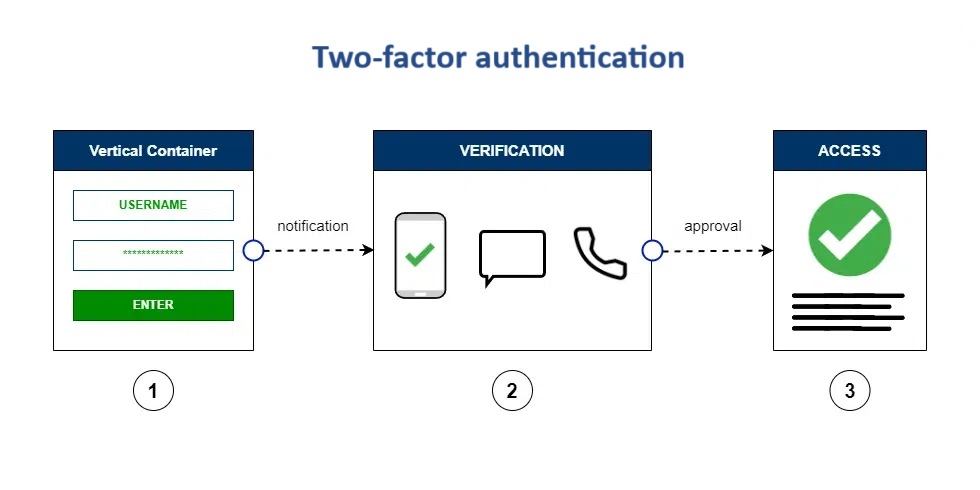
Enable Two-Factor Authentication (2FA)
Two-factor authentication adds a crucial layer of protection. When accessing your wallet or making a transaction, you’ll need both your password and a second verification method, such as:
- Authenticator apps like Google Authenticator or Authy
- Biometric verification (fingerprint or facial recognition)
Avoid using SMS-based 2FA, as it is vulnerable to SIM swapping attacks.
Explore more: What is Crypto Screener? The Best Crypto Screener
Keep Your Private Keys Offline
Your private key is the key to your Bitcoin wallet. Follow these best practices:
- Store your private keys in an air-gapped computer or hardware wallet.
- Avoid sharing your private key with anyone.
- Create a secure backup of your private key in a safe, offline location, such as a bank safety deposit box.
Use Strong Passwords
A strong password can deter brute-force attacks. Here’s how to create one:
- Use a combination of upper and lower case letters, numbers, and special characters.
- Ensure the password is at least 12 characters long.
- Avoid using easily guessed information, such as your name or birthdate.
Consider using a reliable password manager to generate and store complex passwords.
Explore Now: Top 10 Crypto Market Trends in 2025
Keep Your Wallet Software Updated
Wallet software updates often include patches for security vulnerabilities. Make sure to:
- Regularly check for updates from your wallet provider.
- Enable automatic updates, if available.
- Verify the authenticity of the update by checking the official website or release notes.
Secure Your Devices
Your wallet’s security is only as strong as the device it’s on. Protect your devices by:
- Installing reputable antivirus and anti-malware software.
- Keeping your operating system and apps updated.
- Avoiding public Wi-Fi when accessing your wallet.
- Using a Virtual Private Network (VPN) for an additional layer of encryption.
Beware of Phishing Attacks
Phishing attacks are a common method hackers use to steal credentials. Protect yourself by:
- Double-checking URLs before entering your wallet credentials.
- Ignoring unsolicited emails or messages requesting sensitive information.
- Using browser extensions like HTTPS Everywhere to ensure secure connections.
Find Out More: The Ultimate Guide to Cryptocurrency 2025
Diversify Your Storage
Don’t put all your Bitcoin in one wallet. Spread your holdings across multiple wallets to reduce the risk of losing everything in a breach.
- Use separate wallets for savings and day-to-day transactions.
- Consider a mix of hot wallets (online) and cold wallets (offline) for optimal security and convenience.
Back Up Your Wallet
Backing up your wallet ensures that you can recover your funds if your device is lost or damaged. Follow these steps:
- Back up your wallet file or seed phrase.
- Store backups in multiple, secure locations, such as encrypted USB drives or offline storage.
- Test your backups periodically to ensure they work.
10. Monitor and Audit Regularly
Regularly review your wallet and transaction history to spot suspicious activity. Tools and practices include:
- Setting up notifications for transactions.
- Using blockchain explorers to verify transactions.
- Regularly checking for signs of unauthorized access.
Be Wary of Scams
Fraudulent schemes often target Bitcoin traders. Stay vigilant by:
- Avoiding too-good-to-be-true offers.
- Verifying the legitimacy of exchanges and service providers.
- Consulting trusted sources or forums before making significant decisions.
Find Out More: Cryptocurrency vs. Traditional Investments
Consider Professional Custody Services
For large Bitcoin holdings, professional custody services can provide peace of mind. These services offer advanced security measures, including insured storage and institutional-grade vaults.
Conclusion
Securing your Bitcoin wallet in 2025 requires a proactive and layered approach. By following these best practices, you can significantly reduce the risk of losing your assets to cyber threats or human error. Remember, the key to Bitcoin security lies in vigilance, regular updates, and staying informed about emerging threats.
Stay safe and trade smart!


Hi, I’m Asena, a Senior Marketing Specialist with over 8 years of experience and a deep passion for trading knowledge. I have a genuine fascination with the world of Crypto and Forex markets. Over the past 6 years, I’ve dedicated myself to writing about technical analysis, fundamental analysis, and the intricate dynamics of these markets. My mission is to provide the most complete and comprehensive data to empower my audience with actionable insights. I truly love what I do and constantly strive to deliver the best possible results for my readers and users.
Related Article



Leave a Comment

Asena Taremi