12 Jan

The Forex market stands as one of the largest and most influential financial markets globally, with daily transactions exceeding an astonishing 5.1 trillion USD. This immense scale provides opportunities for financial institutions, banks, and individual traders to generate significant profits. However, it also carries the risk of substantial losses.
For banks, managing the risks of lending money is crucial to ensuring returns on their investments. Similarly, traders in the Forex market must practice effective risk management to protect their capital and minimize potential losses.
Deep dive: Top Mistakes Traders Make in Forex Risk Management
Forex Risk Management Strategies: The Step-by-Step Blueprint for Success
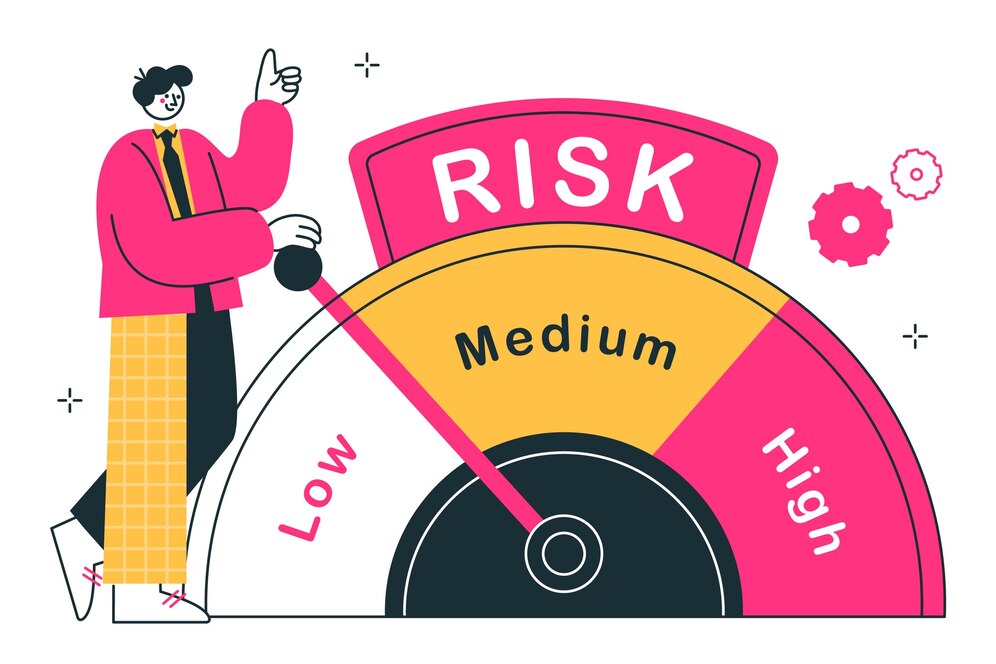
Forex trading risks represent the potential for financial loss during trading activities. These risks aren’t unique to Forex; the same fundamental principles apply to other markets like commodities, futures, and stocks. Regardless of the instrument, sound risk management is essential for long-term trading success.
Read More: Top 10 Forex Trading Strategies for Consistent Profits
Forex Risks might include:
FOREX trading offers opportunities for profit but also comes with significant risks. Below, we explore some of the primary risks involved in trading currencies:
Currency Volatility Risk
The FOREX market is inherently volatile, with currency values constantly fluctuating relative to one another. These shifts are influenced by various factors, including interest rate changes, economic data releases, and policy decisions from around the globe. Events beyond your control can dramatically impact exchange rates, making foreign currencies more expensive or cheaper to trade.
Interest Rate Risk
Central banks control interest rates, which play a pivotal role in currency valuation. Changes in interest rates can influence consumer spending and economic activity, causing ripple effects in the FOREX market. As rates increase or decrease, currencies can experience significant shifts, adding to the complexity and risk of trading.
Liquidity Challenges
Liquidity refers to how easily assets can be bought or sold without affecting their price. While the FOREX market is one of the most liquid in the financial world, certain conditions—such as broker limitations or market reactions to major news—can create periods of illiquidity. This can hinder your ability to execute trades quickly, potentially resulting in losses.
Leverage Risks
Leverage allows traders to control larger positions with smaller amounts of capital, amplifying both potential gains and losses. Brokers may offer leverage as high as 1:500, which can be advantageous when trades go in your favor. However, high leverage also means losses are magnified, posing a significant risk to your capital if the market moves against you.
Explore more: Risk Management in Trading: A Complete Guide for Traders
Risk of Complete Loss
Perhaps the most severe risk in FOREX trading is the possibility of losing your entire investment, leaving you unable to continue trading. Trading on margin requires you to contribute a portion of your own capital. Poor risk management or reckless trading can deplete this capital entirely, forcing you to secure additional funds to resume trading.
Read more: FXonbit CandleStick Pattern Finder Service: Your Gateway to Smarter Forex and Crypto Trading
Read More: Forex Trading Benefits: Opportunities and Challenges Every Trader Must Know
How to Minimize Losses with Effective Forex Risk Management Strategies
1. Use a Risk-Reward Ratio
The risk-reward ratio measures the potential profit against the possible loss for each trade. A common recommendation is to use a ratio of 1:2 or higher. For instance, if you risk $100 on a trade, aim to make at least $200 in profit.
The risk-reward ratio (RRR) is a critical tool for evaluating the potential profitability of a trade relative to its risk. It ensures that your trading strategy remains sustainable and profitable over time, even with a lower win rate.
Explore more: What is Forex Screener? Free Trading Opportunities with a Comprehensive Tool
What is the Risk-Reward Ratio?
The risk-reward ratio compares the potential loss (risk) to the potential gain (reward) in a trade.
- A ratio of 1:2 means you’re risking $1 to make $2.
- A ratio of 1:3 means you’re risking $1 to make $3.
How to Implement a Risk-Reward Ratio
- Determine Key Levels
- Entry Point: Where you open the trade.
- Stop-Loss Level: The price at which you exit the trade to limit losses.
- Take-Profit Level: The price at which you exit the trade to secure profits.
- Calculate Risk and Reward
- Risk: The distance (in pips, points, or dollars) between your entry price and stop-loss.
- Reward: The distance between your entry price and take-profit.
- Example:
- Entry: $100
- Stop-loss: $95 (Risk = $5)
- Take-profit: $110 (Reward = $10)
- RRR = $10 (Reward) ÷ $5 (Risk) = 1:2
- Set Levels in Your Trading Platform
- Use your platform’s tools to automatically execute trades at your stop-loss and take-profit levels.
- Stick to the Ratio
- Ensure your trades consistently follow the chosen ratio, such as 1:2 or higher.
- Avoid compromising by reducing your take-profit or widening your stop-loss during the trade.
Why It Matters
- Profitability with Lower Win Rates
- Even if you lose more trades than you win, a favorable risk-reward ratio ensures profitability.
- Example: With a 1:3 ratio, winning just 3 out of 10 trades results in net profit:
- Wins: 3 × $300 = $900
- Losses: 7 × $100 = $700
- Net Profit = $900 – $700 = $200
- Encourages Strategic Planning
- Forces you to evaluate trades more critically, improving your overall strategy.
- Minimizes Emotional Trading
- Having predefined levels reduces impulsive decisions driven by fear or greed.
Management Tips
- Adapt to Market Conditions
- Some markets (e.g., trending markets) may allow for higher risk-reward ratios, while ranging markets might require more conservative ones.
- Review Historical Performance
- Analyze past trades to verify if your risk-reward ratio aligns with your strategy and market conditions.
- Example: If your average win is smaller than planned, consider adjusting your take-profit levels.
- Combine with a Trading Journal
- Record each trade’s entry, stop-loss, take-profit, and outcome.
- Use this data to refine your risk-reward strategy over time.
Example of a Risk-Reward Strategy
- Scenario: You are trading with a $10,000 account.
- Risk per Trade: 1% ($100).
- RRR: 1:3.
- Trade Setup:
- Entry: $50.00
- Stop-loss: $49.50 (Risk = $0.50)
- Take-profit: $51.50 (Reward = $1.50)
- Outcome: If the trade hits take-profit, you gain $300. If it hits stop-loss, you lose $100.
2. Set Stop-Loss Orders
Stop-loss orders automatically close a trade when it reaches a predetermined loss level, preventing further losses. Stop-loss orders are a critical risk management tool for every trader, helping to minimize losses and protect gains. While they can’t eliminate risk entirely, they ensure that you retain control over your trades, even during unexpected market movements.
- If you buy an asset, your stop-loss is placed below the entry price to limit potential losses.
- If you sell (short) an asset, your stop-loss is placed above the entry price.
Types of Stop Losses
- Equity Stop
- Set your stop-loss based on a fixed percentage of your account balance.
- Example: Risk no more than 2% of your balance on any trade.
- Volatility Stop
- Place your stop-loss based on the asset’s volatility. Wider stops are used for volatile assets, while tighter stops are better for stable assets.
- Example: Use the ATR (Average True Range) indicator to determine the appropriate stop distance.
- Chart Stop (Technical Analysis)
- Set stops based on technical indicators or chart patterns, such as support and resistance levels, trendlines, or Fibonacci retracements.
- Example: Place your stop below a strong support level or the low of a recent candle.
- Margin Stop
- A safeguard to ensure your trade doesn’t hit a margin call.
Slippage and Stop Losses
Slippage occurs when the market moves too quickly, causing your stop-loss to be executed at a worse price than expected.
- While rare in normal conditions, slippage can occur during high-impact news events or in illiquid markets.
How to Use Stop Loss Effectively
- Set Realistic Levels
- Avoid placing stop-loss orders too close to the entry price, as minor fluctuations could trigger them unnecessarily.
- Stick to Your Forex Risk Management Strategies Plan
- Use the 2% rule: Risk no more than 2% of your account balance on a single trade.
- Example: For a $10,000 account, set a stop-loss so your maximum loss per trade is $200.
- Do Not Move Your Stop Loss
- Once set, resist the temptation to widen the loss margin if the market moves against you.
- Lock in Profits with Trailing Stops
- Use a trailing stop to follow the market as it moves in your favor. This allows you to secure gains while staying in the trade for potential further profit.
- Example: If your trade has $500 in profit, move your stop-loss to secure at least $300 while leaving room for the market to move further.
Why Use a Stop Loss?
- Limits Losses
- Protects your account from catastrophic losses due to unexpected market swings.
- Encourages Discipline
- Prevents emotional decision-making and over-trading during volatile market conditions.
- Protects Profits
- A stop-loss can secure gains when combined with trailing stops.
Analyzing Stop-Loss Effectiveness
- Regularly review your stop-loss strategy.
- Check how many trades were saved by your stop-loss and adjust levels based on recurring patterns.
- Example: If your stop-loss is frequently triggered prematurely, consider using wider stops or analyzing market conditions more thoroughly.
3. Limit Leverage Usage
Leverage can be a powerful tool in forex and cryptocurrency trading, but it must be used responsibly. While it can amplify profits, it also magnifies losses, potentially wiping out your account if not managed properly.
How to Implement Leverage Control
- Choose Conservative Leverage Ratios
- Even if your broker offers high leverage (e.g., 1:500), opt for conservative ratios like 1:10 or 1:20, especially as a beginner.
- Example: With 1:10 leverage, $1,000 in your account allows you to control a $10,000 position.
- Start Small
- Use the smallest lot size available when testing strategies or trading in volatile markets.
- Gradually increase position size as you gain experience and confidence.
- Use a Margin Calculator
- Before entering a trade, calculate how much margin is required to open and sustain the position.
- Example: A trade with 1:10 leverage on a $10,000 position requires a $1,000 margin.
- Set Risk Parameters
- Ensure your leveraged trades comply with your overall risk tolerance.
- Combine leverage with the 2% rule to limit the potential loss on any trade.
- Avoid Over-Leveraging
- Do not use leverage to compensate for losses or to chase high profits.
- Excessive leverage can lead to rapid account drawdowns, especially in volatile markets.
Why It Matters
- Protects Your Capital
- Over-leveraging is a leading cause of large losses in forex trading.
- Conservative leverage helps you survive periods of market volatility.
- Reduces Stress
- Trading with lower leverage minimizes emotional stress, allowing you to focus on strategy and analysis.
- Prevents Margin Calls
- High leverage increases the risk of a margin call, which occurs when your account balance cannot support your open positions.
Management Tip
- Monitor Margin Levels Closely
- Keep an eye on the margin level percentage in your trading platform.
- Maintain a buffer to avoid liquidation during sudden market moves.
- Use Stop-Loss Orders
- Always set stop-loss levels to cap potential losses.
- This ensures that leverage does not magnify losses beyond your acceptable risk.
- Test Leverage in a Demo Account
- Experiment with different leverage ratios in a risk-free demo environment before trading live.

4. Diversify Your Trades
Trading multiple currency pairs reduces the risk of being overly exposed to a single market movement. Diversification is a fundamental principle for mitigating risk in the volatile world of forex trading. By spreading your investments across various currency pairs, asset classes, and risk levels, you reduce exposure to a single point of failure.
- How to Implement: Identify currency pairs with low or negative correlations. For example, EUR/USD and USD/JPY often behave differently in certain market conditions.
- Management Tip: Avoid over-diversification, which can dilute potential gains and complicate management.
Why Diversification Matters:
- Risk Mitigation: Investments in different markets and currencies cushion your portfolio from sudden market downturns in any one area.
- Optimized Returns: Diversifying allows you to capture growth opportunities across different sectors or trading instruments.
- Reduced Volatility: Balancing high-risk assets with stable ones smoothens overall performance.
Tips for Effective Diversification:
- Currencies: Trade major, minor, and exotic currency pairs to balance liquidity and volatility.
- Assets: Include a mix of forex, cryptocurrencies, stocks, and commodities.
- Strategies: Combine aggressive short-term trades with conservative long-term positions.
- Regions: Expand trading to different geographical markets to minimize localized risks.
Remember, while diversification can reduce risk, it does not guarantee profits. Regularly reviewing and adjusting your portfolio based on market trends and personal goals is essential.
Check it out: Best Forex Screener with Essential Tools for Successful Trading
5. Trade with a Plan
A trading plan is a comprehensive blueprint that includes your strategy, risk tolerance, and objectives. A well-defined trading plan is essential for navigating the dynamic and unpredictable nature of forex and cryptocurrency markets. It acts as your personalized roadmap, ensuring disciplined and informed decision-making while minimizing emotional trading.
- How to Implement: Write down your plan, specifying your entry, exit, and risk management rules. Include criteria for market analysis, trade frequency, and capital allocation.
- Why It Matters: Trading without a plan often leads to impulsive decisions and inconsistent results.
Read more: What Is a Trading Plan?
Key Components of a Successful Trading Plan
- Clear Objectives
- Define your short-term and long-term trading goals.
- Ensure they are SMART (Specific, Measurable, Achievable, Relevant, and Time-bound).
- Example: Achieve a 10% monthly return on investment while limiting losses to 5%.
- Entry and Exit Strategies
- Entry Criteria: Specify the conditions for entering a trade, such as technical indicators (e.g., RSI, MACD) or chart patterns.
- Exit Criteria: Include profit targets, stop-loss levels, and conditions to close trades.
- Example: Enter a trade when RSI crosses below 30 (oversold) and exit when it reaches 50 or stop-loss is triggered at 2% loss.
- Forex Risk Management Strategies
- Set your risk tolerance: How much are you willing to risk per trade? (E.g., 1–2% of your total capital).
- Use position sizing and leverage cautiously.
- Implement stop-loss and take-profit levels to safeguard your portfolio.
- Example: Risk no more than $100 on any single trade with a 1:2 risk-to-reward ratio.
- Trading Timeframes
- Define your preferred trading style: scalping, day trading, swing trading, or long-term investing.
- Align your strategies and tools to the chosen timeframe.
- Example: Focus on 4-hour charts for swing trades and 15-minute charts for day trades.
- Market Scenarios and Guidelines
- Develop contingency plans for different market conditions (e.g., bullish, bearish, ranging).
- Include guidelines for handling news events, economic releases, or sudden market volatility.
Benefits of a Trading Plan
- Encourages consistency and reduces impulsive decisions.
- Provides a structured approach to risk and capital management.
- Enhances discipline, accountability, and continuous improvement.
Execution and Refinement
- Test your trading plan in a demo account before live trading.
- Stay adaptable: regularly update your plan to reflect changing markets, new strategies, or personal growth.
Read more related: Drawdown and Maximum Drawdown in Forex
6. Risk Only a Small Percentage of Capital Per Trade
The 2% rule is a cornerstone of effective forex risk management strategies, ensuring traders protect their capital while staying in the game during periods of market volatility.
How to Implement the 2% Rule
- Define Your Risk Per Trade
- Risk no more than 2% of your total account balance on any single trade.
- Example: If your account balance is $10,000, the maximum risk per trade should be $200.
- Determine Stop-Loss Level
- Identify the price level at which you will exit the trade to limit losses.
- Stop-loss placement should consider technical analysis, such as support and resistance levels or ATR (Average True Range).
- Calculate Position Size
- Use the following formula to calculate your position size: Position Size= Risk Per Trade / Stop-Loss Distance
- For example:
- Account size = $10,000
- Risk = $200 (2% of $10,000)
- Stop-loss distance = 50 pips (or $0.50 on a stock)
- Position size = $200 ÷ $0.50 = 400 units
- Adjust for Market Volatility
- Volatile markets may require wider stop-losses, reducing your position size accordingly.
Why It Matters
- Protects Capital
- Prevents large losses from wiping out your account during losing streaks.
- For example, even with 10 consecutive losing trades, you’d lose only 20% of your capital.
- Encourages Discipline
- Helps avoid emotional trading decisions.
- Limits the temptation to increase position sizes during winning streaks.
- Enables Longevity
- Ensures that you can survive drawdowns and recover when your strategy performs better.
Management Tip
- Stick to the Rule Consistently
- Avoid increasing risk after consecutive wins, which can lead to overexposure.
- Resist the urge to “chase losses” by risking more to recover.
- Regularly Reassess Risk
- Adjust your 2% risk as your account balance grows or declines.
- For example, with an account balance of $15,000, your maximum risk becomes $300 per trade.
- Automate Where Possible
- Use tools or trading platforms to set stop-loss levels and position sizes automatically.
Worth Reading: Why Choose FXonbit AI Trading Platform for Your Daily Trades?

Read more: What is Forex Screener? Free Trading Opportunities with a Comprehensive Tool
7. Keep Emotions in Check
Emotional trading often leads to poor decisions, such as overtrading or failing to cut losses. In trading, success is not just about strategies and technical skills—it’s also about mastering your emotions. Emotional control is a cornerstone of effective forex risk management strategies and a prerequisite for consistent profitability.
Why Emotional Control is Essential
- Prevents Rule-Breaking
- Emotional traders often abandon their strategies and risk management rules, leading to impulsive decisions.
- Limits Losses
- Stubbornness can cause traders to hold onto losing positions too long, hoping the market will reverse. This often results in larger-than-necessary losses.
- Avoids Revenge Trading
- After a loss, emotional traders may increase trade sizes to “get even,” which can amplify risks and losses.
- Stops Overconfidence
- A winning streak might lead to overconfidence, tempting traders to neglect their strategies or take on excessive risk.
Explore more: Best Forex Screeners for Day Trading
How to Control Your Emotions While Trading
- Have a Clear Plan
- A well-defined trading plan (entry, exit, risk limits) minimizes emotional decision-making.
- Example: Use predefined stop-loss and take-profit levels for every trade.
- Stick to Your Strategy
- Trust your trading strategy and avoid deviating due to short-term market movements.
- Example: Avoid entering trades that don’t meet your setup criteria, even if they seem promising.
- Accept Losses as Part of Trading
- No trader wins all the time. Learn to accept losses as part of the process and move on without revenge trading.
- Use Proper Risk Management
- Risk only a small percentage of your capital per trade (e.g., 1–2%). This reduces the emotional impact of losses.
- Take Breaks
- If you feel stressed or emotional, step away from the screen. Emotional trading often leads to poor decisions.
- Practice Patience
- Wait for high-probability setups instead of forcing trades.
- Example: “I will trade only when all my criteria are met, even if it means missing opportunities.”
Practical Tips for Emotional Discipline
- Start Small
- Trade with smaller positions until you’re confident in your strategy and emotional control.
- Keep a Trading Journal
- Record every trade, including your emotional state. Review patterns and identify triggers for emotional trading.
- Set Realistic Expectations
- Understand that trading is not a get-rich-quick scheme. Be prepared for gradual growth.
- Limit Exposure to News
- Avoid overreacting to news events or market noise. Focus on your strategy.
- Use Automated Tools
- Leverage automated stop-loss, take-profit, and trailing stops to remove emotional interference.
Avoid Stress During Trading
- Manage Your Environment
- Trade in a quiet, distraction-free space.
- Maintain a balanced lifestyle with regular exercise and good sleep.
- Practice Mindfulness
- Techniques like meditation or deep breathing can help reduce stress and improve focus.
- Set Daily Loss Limits
- Decide on a maximum amount you’re willing to lose in a day. Stop trading once that limit is reached.
Read more: What is advantages of FXonbit’s Forex Screener?
8. Monitor Market News and Events
News releases and economic events can cause significant market volatility.
- How to Implement: Use an economic calendar to track key events like central bank meetings, GDP reports, and employment data. Plan your trades around these events.
- Why It Matters: Being aware of potential volatility helps you avoid unexpected losses.
- Management Tip: Close or adjust trades if you expect high-impact news that could disrupt your strategy.
9. Maintain Proper Position Sizing
Position sizing determines how much capital you allocate to a trade based on your risk tolerance and strategy.
- How to Implement: Use position size calculators to factor in your account balance, risk percentage, and stop-loss level. Adjust the lot size accordingly.
- Why It Matters: Proper position sizing ensures consistency and protects your account from excessive risk.
- Management Tip: Reassess position sizes as your account balance changes.
10. Review and Adjust Your Strategy
Consistently analyzing your performance helps you identify strengths and weaknesses.
- How to Implement: Keep a detailed trading journal to track your trades, including the rationale, outcomes, and lessons learned.
- Why It Matters: Regular reviews improve your strategy and build accountability.
- Management Tip: Schedule monthly reviews to refine your approach and eliminate recurring mistakes.
11. Start with a Demo Account
A demo account allows you to practice trading without risking real money.
- How to Implement: Open a demo account with a reputable broker and trade under realistic conditions. Test your strategies and familiarize yourself with the platform.
- Why It Matters: Demo accounts provide a risk-free environment to develop skills and confidence.
- Management Tip: Transition to live trading only when you consistently achieve positive results in the demo account.
12. Forex Risk Management Strategies: Keep an Eye on Liquidity
Liquidity affects your ability to enter and exit trades smoothly. Liquidity is the lifeblood of the forex market, representing the ease with which an asset can be bought or sold without significantly impacting its price. Understanding and monitoring liquidity is essential for minimizing trading risks and ensuring seamless execution.
How to Implement Liquidity Management
- Focus on Major Currency Pairs
- Trade pairs like EUR/USD, GBP/USD, and USD/JPY, which typically offer high liquidity and tighter spreads.
- Example: The EUR/USD pair has the highest trading volume, making it one of the most liquid pairs.
- Trade During Peak Market Hours
- Liquidity peaks when major financial markets overlap:
- London-New York Overlap: 8:00 AM–12:00 PM EST
- London-Tokyo Overlap: 3:00 AM–4:00 AM EST
- Example: During the London-New York overlap, spreads are narrower, and execution is faster.
- Liquidity peaks when major financial markets overlap:
- Avoid Exotic Pairs
- Exotic pairs like USD/TRY or EUR/ZAR often have low liquidity and wide spreads, increasing the cost and risk of trading.
- Monitor Economic Events
- Major news releases (e.g., NFP, central bank decisions) can cause temporary liquidity drops, leading to increased slippage.
- Plan trades around such events to avoid unexpected execution issues.
Explore more: Filtering High-Volume Cryptos: Guide to Finding Liquidity with Screeners
Why Liquidity Matters
- Minimizes Slippage
- High liquidity ensures your orders are executed at or near your intended price.
- Example: Low liquidity might result in buying EUR/USD at $1.1005 instead of $1.1000 due to slippage.
- Reduces Trading Costs
- Tighter spreads in liquid markets lower transaction costs, directly impacting profitability.
- Ensures Fast Execution
- Liquid markets enable swift trade execution, critical for scalping or high-frequency trading strategies.
- Prevents Market Impact
- In low-liquidity markets, large orders can move prices against you. High liquidity absorbs such orders without significant price movement.
13. Forex Risk Management Strategies: Understand the Forex Market
Comprehensive market knowledge is essential for effective risk management.
- How to Implement: Study both fundamental and technical aspects of forex trading. Learn about currency pairs, market sessions, and economic indicators.
- Why It Matters: Understanding market dynamics helps you make informed decisions.
- Management Tip: Stay updated on geopolitical and macroeconomic trends that influence currency movements.
14. Forex Risk Management Strategies: Take Profit Orders
Take-profit orders automatically close trades at a predetermined profit level.
- How to Implement: Set a realistic profit target for each trade based on your risk-reward ratio and market analysis.
- Why It Matters: Take-profit orders prevent you from holding onto trades too long, risking reversal.
- Management Tip: Avoid adjusting profit levels during trades without strong justification.
15. Forex Risk Management Strategies: Monitor Currency Correlations
Currency pairs often move in relation to one another. Understanding these correlations helps manage risk effectively. Currency correlations describe how currency pairs move in relation to one another, either in the same direction (positive correlation) or opposite directions (negative correlation). Understanding these relationships helps traders optimize their strategies and manage risk effectively.
How to Implement Currency Correlation Monitoring
- Use Correlation Matrices
- Platforms like MetaTrader, TradingView, and specialized correlation tools provide matrices showing the relationship between currency pairs.
- Example: A correlation of +1.0 indicates perfect positive correlation, while -1.0 indicates perfect negative correlation.
- Identify Key Correlations
- Positively Correlated Pairs:
- EUR/USD and GBP/USD
- AUD/USD and NZD/USD
- Negatively Correlated Pairs:
- EUR/USD and USD/CHF
- USD/JPY and Gold (XAU/USD)
- Positively Correlated Pairs:
- Adjust Trade Positions
- Avoid opening trades in highly correlated pairs in the same direction to reduce overexposure.
- Example: Instead of buying EUR/USD and GBP/USD simultaneously, choose one to minimize doubling your risk.
- Reassess Correlations Periodically
- Correlations can change over time due to economic events or market dynamics. Update your analysis regularly.
Why It Matters
- Prevents Overexposure
- Trading multiple positively correlated pairs can amplify risk.
- Example: If EUR/USD and GBP/USD both fall, losses on both trades could compound.
- Balances Risk
- Diversifying trades across negatively correlated pairs reduces the impact of adverse market moves.
- Example: If EUR/USD rises and USD/CHF falls, gains in one trade may offset losses in the other.
- Improves Decision-Making
- Understanding correlations helps you align trades with broader market trends or hedge positions effectively.
16. Set Realistic Profit Expectations
Unrealistic expectations can lead to overtrading and excessive risk-taking.
- How to Implement: Base profit goals on historical performance, market conditions, and your strategy.
- Why It Matters: Setting achievable targets helps maintain discipline and consistency.
- Management Tip: Focus on steady, incremental growth rather than aiming for quick riches.
17. Forex Risk Management Strategies:: Continuous Education
The forex market evolves constantly, requiring ongoing learning and adaptation.
- How to Implement: Take courses, attend webinars, read books, and join trading communities.
- Why It Matters: Staying informed keeps your strategies relevant and effective.
- Management Tip: Dedicate time each week to learning and skill development.
18. Forex Risk Management Strategies: Set Risk Tolerance
Understanding your risk tolerance ensures you trade within your comfort zone.
- How to Implement: Assess your financial situation, trading goals, and emotional resilience. Define the maximum loss you can accept.
- Why It Matters: Trading beyond your risk tolerance leads to stress and poor decisions.
- Management Tip: Adjust risk parameters as your financial circumstances or goals change.
19. Taking Opposite Trades
Hedging involves opening opposite trades to offset potential losses.
- How to Implement: Open long and short positions on correlated pairs or the same pair during uncertainty.
- Why It Matters: Hedging minimizes losses in volatile markets.
- Management Tip: Use hedging sparingly, as it can reduce overall profitability if not managed carefully.
Additional Tips for Effective Forex Risk Management Strategies
- Avoid Overtrading: Focus on quality over quantity. Overtrading increases exposure to risk and can lead to emotional fatigue.
- Use Reliable Tools: Invest in trading platforms with robust risk management features, such as trailing stops and alerts.
- Have a Contingency Plan: Prepare for worst-case scenarios, such as technical failures or market crashes, by having backup systems and funds in place.
Top Rules for Money Management in Trading
- Have a Clear Trading Plan
- Define your entry, exit, target profit, and maximum acceptable loss before each trade.
- Avoid impulsive trading decisions.
- Trade High-Liquidity Instruments
- Focus on liquid assets like major currency pairs (EUR/USD, USD/JPY) and avoid exotic pairs with wide spreads.
- Trade Strong Pivot Points
- Use technical indicators and oscillators to identify reliable pivot levels. Avoid random entries.
- Avoid Short Timeframes
- Longer timeframes reduce noise and provide more predictable movements compared to scalping or ultra-short trading.
- Buy Cheap, Sell Expensive
- Look for undervalued opportunities but recognize that market movements are unpredictable.
- Always Use Stop Losses
- Protect your trades with stop-loss orders, but position them carefully to avoid constant triggering.
- Let Profits Run
- Don’t close profitable trades too early. Exit only when the trend shows signs of reversal.
- Maintain a Large Free Margin
- Keep adequate capital available to prevent margin calls or forced trade closures.
- Diversify Risks Wisely
- Use moderate diversification, especially in forex, to balance exposure without overcomplicating trades.
- Avoid Trading at Market Closures
- Avoid end-of-day or pre-weekend trades when liquidity is low and spreads widen.
- Enhance Analytical Skills
- Learn both technical and fundamental analysis to improve decision-making.
- Keep a Trading Journal
- Record trades, analyze performance, and learn from mistakes to improve over time.
- Control Trade Volume
- Avoid risking more than 2% of your capital per trade and cap monthly losses at 10% of your account.
- Pause After Losses
- Take breaks after multiple losses to avoid revenge trading.
- Make a Simple Trading Plan
- Avoid overcomplication; focus on markets and strategies you understand.
- Trade Less, Earn More
- Don’t overtrade; focus on high-probability opportunities and limit frequent entries/exits.
- Use a 1:2 Risk-Reward Ratio
- Aim to make at least double the amount you risk on each trade.
- Follow the Trend
- Trade with the trend rather than attempting to predict reversals.
- Don’t Predict Reversals
- Focus on executing your strategy instead of guessing pivot points.
- Avoid Averaging Down
- Adding to losing trades increases risk and can quickly deplete your account.
- Respect Your Profits
- Protect gains by not overexposing them to unnecessary risks.
- Avoid Night Trading
- Ensure proper rest and avoid late-night trades with reduced liquidity.
- Live an Active Lifestyle
- Balance trading with physical and social activities to maintain mental clarity.
- Build Profits Gradually
- Compound gains in small steps rather than risking large portions of capital.
- Specialize in Familiar Markets
- Trade instruments you know and understand well.
- Use Appropriate Leverage
- Find a balance that suits your experience; avoid excessive leverage that can amplify losses.
- Accept Losses Easily
- Keep losses small and part of your trading routine. Focus on consistent gains over time.
- Consider Automated Trading Cautiously
- Use bots to complement manual strategies, but understand their limitations.
Explore more: How to Use Volume to Confirm Market Trends and Read Market Sentiment
Final Thoughts
Forex Risk Management Strategies are the cornerstone of successful forex trading. By implementing these strategies, you can minimize losses, protect your capital, and increase your chances of long-term success. Remember, consistent risk management is more important than chasing quick profits. Stay disciplined, follow your plan, and make informed decisions to thrive in the forex market.

Hi, I’m Asena, a Senior Marketing Specialist with over 8 years of experience and a deep passion for trading knowledge. I have a genuine fascination with the world of Crypto and Forex markets. Over the past 6 years, I’ve dedicated myself to writing about technical analysis, fundamental analysis, and the intricate dynamics of these markets. My mission is to provide the most complete and comprehensive data to empower my audience with actionable insights. I truly love what I do and constantly strive to deliver the best possible results for my readers and users.
Related Article


Leave a Comment

Asena Taremi