25 Jan
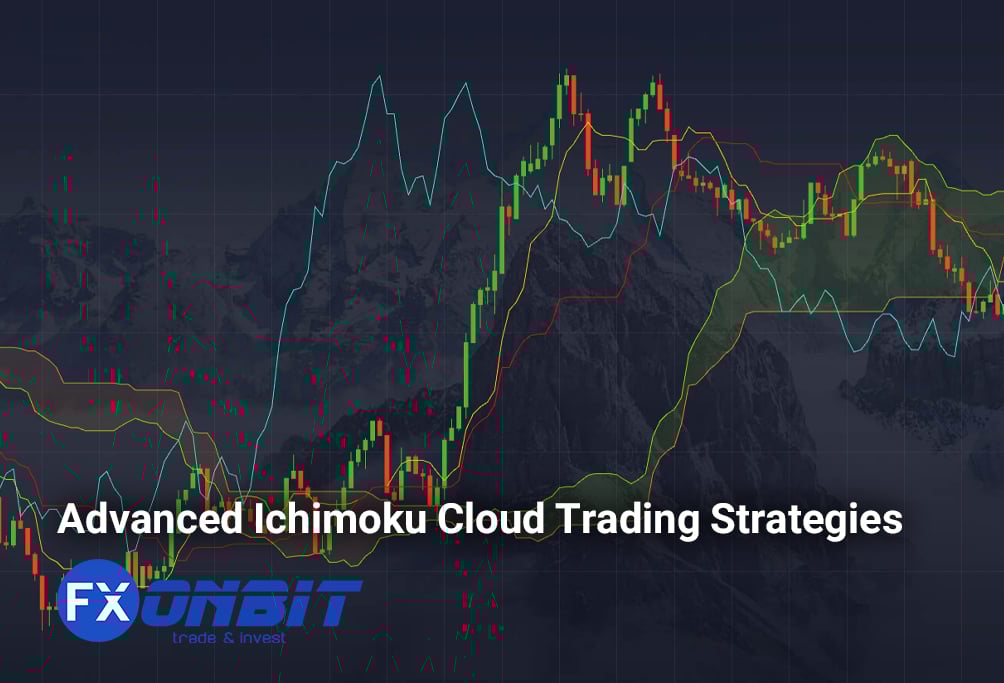
Advanced Ichimoku Cloud Trading Tips & Strategies:
Start Our Crypto Screener Dashboard
Combining Ichimoku with Fibonacci Retracements
Fibonacci retracements identify key levels where price may pause, reverse, or continue in the direction of the primary trend. These levels (e.g., 23.6%, 38.2%, 50%, 61.8%, and 78.6%) act as potential support or resistance zones.
The Ichimoku Cloud (Kumo) offers dynamic support and resistance levels as well, adapting to market movements. When these levels align with Fibonacci retracements, they create areas of confluence that strengthen the probability of a successful trade.
How to Use This Combination
Step 1: Identify the Trend
- Use the Ichimoku Cloud to determine the primary trend.
- Price above the Cloud indicates a bullish trend.
- Price below the Cloud indicates a bearish trend.
- Avoid using this strategy in a ranging market where the price moves sideways within the Kumo.
Step 2: Apply Fibonacci Retracements
- Draw Fibonacci retracement levels from the swing high to the swing low in a downtrend or swing low to swing high in an uptrend.
- Ensure that the Fibonacci levels are applied to the most recent impulsive move.
Step 3: Look for Confluence with the Kumo
- Check if key Fibonacci levels (e.g., 38.2%, 50%, or 61.8%) overlap with the edges of the Kumo (Senkou Span A or Senkou Span B).
- This overlap strengthens the level as a potential reversal or continuation zone.
Read more: What is Crypto Whale Tracker? How FXonbit Empowers You to Follow Market Giants
Example Advanced Ichimoku Cloud: Bullish Market
Scenario:
The price is in an uptrend and has pulled back into the Kumo. You want to identify where the retracement might end and where to enter a long position.
- Identify Fibonacci Levels:
- Draw Fibonacci retracements from the most recent swing low to swing high.
- Note the 50% and 61.8% levels as potential support zones.
- Look for Confluence:
- If the 61.8% retracement level aligns with the upper boundary of the Kumo (Senkou Span A), this becomes a high-probability buying zone.
- Confirm the Signal:
- Check if Tenkan-sen is above Kijun-sen (bullish crossover).
- Ensure the Chikou Span is above the price and the Cloud for additional confirmation.
- Enter the Trade:
- Place a buy order near the confluence zone (61.8% + Senkou Span A).
- Set a stop-loss just below the lower boundary of the Kumo.
Explore more: MACD Divergence: A Comprehensive Guide for Traders
Example Advanced Ichimoku Cloud: Bearish Market
Scenario:
The price is in a downtrend and retraces upward into the Kumo. You want to find a strong resistance level to enter a short position.
- Identify Fibonacci Levels:
- Draw Fibonacci retracements from the most recent swing high to swing low.
- Focus on the 50% and 61.8% levels as potential resistance zones.
- Look for Confluence:
- If the 50% retracement aligns with the lower boundary of the Kumo (Senkou Span B), it serves as a strong resistance level.
- Confirm the Signal:
- Check if Tenkan-sen is below Kijun-sen (bearish crossover).
- Ensure the Chikou Span is below the price and the Cloud for confirmation.
- Enter the Trade:
- Place a sell order near the confluence zone (50% + Senkou Span B).
- Set a stop-loss just above the upper boundary of the Kumo.
Advanced Tips for Better Application
1. Use Fibonacci Projections for Profit Targets
- After identifying a strong entry point, use Fibonacci extensions or projections (e.g., 161.8%, 200%) to determine profit targets.
- For example, if the price breaks out of the Kumo after retracing to the 61.8% level, the next target could be the 161.8% projection.
2. Pair with Tenkan-sen and Kijun-sen Crossovers
- Crossovers between Tenkan-sen and Kijun-sen add an extra layer of confirmation.
- A bullish crossover near a Fibonacci retracement level within the Kumo is a strong buy signal.
- A bearish crossover near a Fibonacci retracement level within the Kumo is a strong sell signal.
3. Monitor Volume for Breakout Confirmation
- High volume at the Fibonacci + Kumo confluence level supports the likelihood of a trend continuation or reversal.
- Low volume may indicate a false breakout.
Common Mistakes to Avoid
- Ignoring Confluence:
- Don’t rely solely on Fibonacci retracement levels without checking their alignment with Ichimoku levels.
- Confluence between Fibonacci and Kumo edges strengthens the reliability of the signal.
- Trading Against the Trend:
- Avoid using this strategy in a market that lacks a clear trend or in consolidation phases.
- Always trade in the direction of the overall trend as indicated by the Ichimoku Cloud.
- Overlooking Confirmation:
- Ensure that other Ichimoku components (e.g., Chikou Span, crossovers) support the trade before entering.
- Don’t jump into a trade solely because a Fibonacci level aligns with the Kumo; wait for confirmation signals.
Explore more: What is Crypto Screener? The Best Crypto Screener
Using Chikou Span for Market Confirmation
The Chikou Span (Lagging Line) is one of the most underrated yet highly effective components of the Ichimoku Cloud. It provides a simple yet powerful way to confirm the strength and direction of a trend by comparing the current price action to historical levels.
Read more: Mastering the Martingale Trading Strategy
How the Chikou Span Works
The Chikou Span is plotted 26 periods behind the current price, making it a lagging indicator. This allows traders to compare the current market sentiment with the price action from 26 periods ago, providing a clearer picture of whether the trend has strong momentum or not.
Read more: Price Action Trading: The Art of Trading Without Indicators
Bullish Confirmation
When the Chikou Span is above both the current price and the Kumo (Cloud), it indicates that the market is in a strong uptrend. Here’s how to interpret it:
- Above the Price:
- This shows that the current price is higher than it was 26 periods ago, reflecting bullish sentiment.
- Above the Kumo:
- If the Chikou Span is also above the Cloud, it signals that the trend is not only bullish but also supported by strong momentum and little resistance ahead.
- Confluence with Other Signals:
- Combine this with a bullish Kumo breakout or a Tenkan-sen and Kijun-sen bullish crossover for additional confirmation.
- For example, if the price breaks above the Kumo and the Chikou Span is above both the price and the Kumo, it’s a strong buy signal.
Bearish Confirmation
When the Chikou Span is below both the current price and the Kumo, it reinforces a strong bearish trend. Here’s what to look for:
- Below the Price:
- This indicates that the current price is lower than it was 26 periods ago, showing bearish sentiment.
- Below the Kumo:
- If the Chikou Span is below the Cloud, it suggests that the market is facing downward momentum with minimal support ahead.
- Confluence with Other Signals:
- Pair this with a bearish Kumo breakout or a Tenkan-sen and Kijun-sen bearish crossover for stronger confirmation.
- For instance, if the price breaks below the Kumo and the Chikou Span is below both the price and the Kumo, it’s a strong sell signal.
Advanced Application of the Chikou Span
- Identifying “Empty Spaces” in Price Action
- Look for areas where the Chikou Span is moving through “empty spaces” in the historical price chart.
- These gaps indicate that the price is unlikely to face significant resistance or support, making it easier for the trend to continue in the same direction.
- Example: In a bullish trend, if the Chikou Span moves through an area where there was no consolidation or major price level 26 periods ago, it suggests less friction for upward movement.
- Avoiding False Signals
- Use the Chikou Span to filter out false breakouts. For example:
- A bullish Kumo breakout is less reliable if the Chikou Span is still below the price or stuck inside the Kumo.
- Similarly, a bearish breakout is questionable if the Chikou Span remains above the price or the Cloud.
- Use the Chikou Span to filter out false breakouts. For example:
- Confirming Reversals
- When the Chikou Span shifts from being below the price and Kumo to above them, it confirms a bullish reversal.
- Conversely, when the Chikou Span moves from above the price and Kumo to below them, it confirms a bearish reversal.
Practical Trading Tips for Using the Chikou Span
- Trend Trading:
- Use the Chikou Span to confirm trend direction before entering a trade. If the Chikou Span aligns with the trend (above for bullish, below for bearish), it adds confidence to your position.
- Combining with Other Ichimoku Components:
- A Chikou Span confirmation is most effective when combined with other Ichimoku signals, such as:
- Price breaking above or below the Kumo.
- Tenkan-sen and Kijun-sen crossovers.
- Future Kumo (Cloud projection) being green for bullish or red for bearish.
- A Chikou Span confirmation is most effective when combined with other Ichimoku signals, such as:
- Risk Management:
- If the Chikou Span moves back into the price or Kumo, it could signal weakening momentum. This is a good time to tighten stop-losses or take profits.
Common Mistakes to Avoid
- Ignoring the Chikou Span’s Position:
- Entering a trade without confirming the Chikou Span’s position relative to the price and Kumo can lead to false signals.
- Trading in Consolidation:
- The Chikou Span becomes less effective in ranging or consolidating markets. Wait for clear trends and alignments before acting on its signals.
- Overlooking Resistance/Support Zones:
- Even if the Chikou Span confirms a trend, it’s crucial to account for historical resistance or support levels that might impact price movement.

Ichimoku Cloud in Volatile Markets
Trading in highly volatile markets like cryptocurrencies requires adapting your strategy to handle rapid price movements and frequent breakouts. The Ichimoku Cloud can be a powerful tool in such environments, especially when applied with specific adjustments for high volatility.
Find Out More: The Ultimate Guide to Cryptocurrency 2025
How to Use Ichimoku Cloud in High-Volatility Assets (e.g., Crypto)
1. Shorter Timeframes
- Why Shorter Timeframes?
- Cryptocurrencies and other volatile assets often experience rapid price swings within short periods. Analyzing shorter timeframes like 5-minute, 15-minute, or 1-hour charts allows traders to capture these quick moves effectively.
- How to Trade:
- Look for breakouts and crossovers on these shorter timeframes.
- Use the Kumo as immediate support and resistance levels for faster decision-making.
2. Adjust Settings for Volatility
- Why Adjust Settings?
- The default Ichimoku Cloud settings (9-26-52) are designed for slower-moving markets like forex or stocks. In crypto, shorter settings like 6-24-48 are more effective as they reflect the faster market dynamics.
- Recommended Settings for Crypto:
- Tenkan-sen (Conversion Line): 6-period high/low average.
- Kijun-sen (Base Line): 24-period high/low average.
- Senkou Spans: Calculated over 48 periods and projected 24 periods ahead.
- How to Implement:
- Adjust settings on your trading platform (e.g., TradingView, MT4/5).
- Backtest these settings on historical data to verify their effectiveness for your chosen asset and timeframe.
Explore more: Volume Analysis for Day Traders: How to Maximize Profits
3. Focus on Strong Cloud Breakouts
- What to Look For:
- Bullish Breakout: When the price decisively closes above the Kumo and the future Cloud is green, it signals a strong bullish trend. This is especially significant when accompanied by high trading volume.
- Bearish Breakout: When the price closes below the Kumo and the future Cloud is red, it indicates a strong bearish trend.
- Volume as a Confirmation Tool:
- High volume during a breakout supports the validity of the signal.
- Avoid trading on low-volume breakouts as they are more likely to fail.
4. Use the Kumo for Reentry Opportunities
- Dynamic Support and Resistance:
- The Kumo (Cloud) serves as a reliable dynamic support or resistance zone during pullbacks.
- In a Bullish Trend: If the price pulls back to the Kumo and bounces off the upper boundary (Senkou Span A), it’s a good reentry point.
- In a Bearish Trend: If the price retraces to the Kumo and gets rejected at the lower boundary (Senkou Span B), it’s a signal to reenter short positions.
- Practical Example:
- In a bullish crypto market, after a breakout above the Kumo, wait for a pullback into the Cloud before reentering your position. Confirm the bounce with volume or other indicators like RSI.
Read more: How to Customize Crypto Screener to Match Your Trading Strategy
Tips for Trading in Volatile Markets
Avoid Trading During Low Liquidity Periods
- Volatile markets like crypto are prone to false signals during periods of low liquidity, such as weekends or off-hours.
- Trade during high-volume times (e.g., overlap of major trading sessions or when significant news is expected).
Explore more: Liquidity; The Backbone of Financial Markets
Pair Ichimoku with Momentum Indicators
Combining the Ichimoku Cloud with momentum indicators can help confirm signals and avoid false breakouts:
Explore more: What is MACD? Full Guidance
- RSI (Relative Strength Index):
- Use RSI to confirm overbought or oversold conditions. For example:
- If the price breaks above the Kumo and RSI is not in overbought territory, the signal is stronger.
- Use RSI to confirm overbought or oversold conditions. For example:
- MACD (Moving Average Convergence Divergence):
- A bullish MACD crossover that aligns with a Cloud breakout strengthens the signal.
- Similarly, a bearish MACD divergence can warn of a potential reversal despite a breakout.
- Volume Analysis:
- Monitor volume to confirm the strength of breakouts or pullbacks into the Kumo.
Explore more: Top Indicators in Crypto Screeners for Effective Tradin
Be Prepared for Quick Reversals
- Volatile markets often experience sudden reversals. Use tight stop-loss orders, ideally just below the Kumo for long positions or above the Kumo for short positions.
- Avoid overleveraging, as high volatility can amplify losses.
Advanced Ichimoku Cloud Tips for Volatile Markets
1. Track the Thickness of the Cloud
- Thick Cloud: Indicates strong support or resistance, making breakouts harder but more reliable if they occur.
- Thin Cloud: Suggests weaker support or resistance, which may lead to easier but less reliable breakouts.
2. Look for Kumo Twists
- A Kumo Twist (when Senkou Span A crosses Senkou Span B) often signals a potential trend reversal.
- In high-volatility markets, Kumo Twists can serve as early warnings to prepare for shifts in trend direction.
3. Combine Ichimoku with Fibonacci Retracements
- Use Fibonacci retracement levels to identify pullback zones within the Kumo.
- For example, if a 61.8% retracement level aligns with the Kumo boundary during a bullish pullback, it strengthens the case for a long entry.
4. Optimizing Ichimoku Cloud Settings
The default Ichimoku Cloud settings (9-26-52) are suitable for traditional markets like forex but can be adjusted to suit different asset classes and trading styles.
- Crypto Markets:
- Shorten the settings to (6-24-48) to capture faster price movements.
- Shorter settings help traders identify trends and reversals more quickly in highly volatile markets.
- Stock Markets:
- Consider longer settings such as (12-36-72) for slower-moving equities or weekly charts to filter out market noise.
- Forex Markets:
- The default (9-26-52) settings work well due to their alignment with common trading sessions (e.g., 9 periods for one and a half days, 26 periods for a full trading month).
- Advanced Tip:
- Test different settings through backtesting to find the most effective parameters for your specific market and timeframe.

Combining Ichimoku Cloud with Other Indicators
The Ichimoku Cloud is a comprehensive tool that provides a clear picture of market trends, momentum, and support/resistance levels. However, combining it with other technical indicators can further enhance its accuracy and reduce the likelihood of false signals. Below is a detailed explanation of how to use Ichimoku alongside complementary indicators.
1. MACD (Moving Average Convergence Divergence)
The MACD is a momentum indicator that tracks the relationship between two moving averages of a stock’s price. It is highly effective in confirming Ichimoku signals.
- How to Use:
- Use MACD to confirm momentum in the same direction as Ichimoku signals.
- When Ichimoku indicates a bullish trend (e.g., price breaking above the Kumo), check if the MACD has also made a bullish crossover (MACD line crossing above the signal line).
- Similarly, for bearish trends, ensure that the MACD confirms the downward momentum with a bearish crossover.
- Example:
- A bullish Kumo breakout aligns with a bullish MACD crossover, signaling a strong buying opportunity.
- Conversely, a bearish Kumo breakout coupled with a bearish MACD signal strengthens the case for a sell position.
- Advanced Tip:
- Use the MACD histogram to gauge the strength of momentum. Larger histogram bars confirm stronger trends.
2. RSI (Relative Strength Index)
The RSI measures the speed and magnitude of recent price movements to evaluate overbought or oversold conditions. It works well in conjunction with Ichimoku to avoid entering trades when the market is stretched.
- How to Use:
- Pair RSI with Ichimoku to identify overbought and oversold levels during price pullbacks.
- In bullish trends, watch for RSI to enter oversold territory (below 30) near the Kumo for potential buy signals.
- In bearish trends, monitor for RSI to enter overbought levels (above 70) near the Kumo for potential sell signals.
- Example:
- If the price bounces off the Kumo and RSI shows oversold conditions, it suggests a strong buy signal.
- Conversely, if the price rejects the Kumo and RSI indicates overbought conditions, it confirms a selling opportunity.
- Advanced Tip:
- Combine RSI divergence with Ichimoku signals. For instance, if the price makes a new low below the Kumo but RSI shows a higher low (bullish divergence), it could indicate a reversal.
3. Bollinger Bands
Bollinger Bands measure volatility by plotting two standard deviations away from a simple moving average. They can help confirm breakout strength and identify periods of low volatility before significant moves.
- How to Use:
- Combine Bollinger Bands with Ichimoku to assess volatility and breakout potential.
- A Bollinger Band squeeze (narrow bands) indicates low volatility, often preceding a strong price movement.
- If the price breaks out of the Kumo during a Bollinger Band squeeze, it suggests a strong trend is forming.
- Example:
- A price breakout from the Kumo that coincides with a Bollinger Band squeeze indicates a high probability of a strong trend.
- If the price bounces off the Kumo and reaches the upper or lower Bollinger Band, it can signal an overextension, prompting caution.
- Advanced Tip:
- Watch for price riding the upper Bollinger Band during a bullish trend (or the lower band in a bearish trend) after a Kumo breakout. This indicates sustained momentum.
4. Volume Analysis
Volume is a critical confirmation tool for any trading strategy, including Ichimoku. High volume during key breakouts or pullbacks adds reliability to the signal.
- How to Use:
- Monitor volume levels during Kumo breakouts. A spike in volume confirms strong participation in the trend.
- During pullbacks to the Kumo, low volume suggests a temporary correction, while high volume indicates potential trend reversal.
- Example:
- A bullish breakout above the Kumo with a volume spike strengthens the signal, indicating strong buyer interest.
- A bearish breakout below the Kumo accompanied by high volume confirms seller dominance.
- Advanced Tip:
- Use volume divergence to anticipate reversals. For instance, if the price breaks above the Kumo but volume decreases, the breakout may lack sustainability.
Explore more: Filtering High-Volume Cryptos: Guide to Finding Liquidity with Screeners
Practical Applications of Combining Indicators
1. Entry Strategy:
- Look for a bullish Kumo breakout confirmed by:
- A bullish MACD crossover.
- RSI in oversold territory or trending upwards.
- High volume during the breakout.
2. Exit Strategy:
- Exit long positions when:
- MACD shows a bearish crossover.
- RSI enters overbought territory and begins to decline.
- Volume diminishes significantly, suggesting weakening momentum.
3. Risk Management:
- Place stop-losses just below the Kumo for long positions or above the Kumo for short positions.
- Use Bollinger Bands to gauge overextensions and set profit targets accordingly.
Common Mistakes to Avoid
- Overloading Charts:
- Avoid adding too many indicators that provide similar information. Focus on complementary tools like MACD, RSI, or Bollinger Bands to enhance Ichimoku signals without cluttering your analysis.
- Ignoring Volume:
- Breakouts without volume confirmation are more likely to fail. Always check for strong volume during key movements.
- Not Waiting for Confluence:
- Don’t act on a single indicator. Wait for alignment between Ichimoku and other tools to increase the probability of success.

Common Mistakes When Using Ichimoku Cloud
- Misinterpretation of Signals:
- Relying solely on one component, such as Tenkan-sen and Kijun-sen crossovers, without considering the Cloud or Chikou Span.
- Ignoring the position of the price relative to the Kumo leads to false signals in ranging markets.
- Overtrading Based on False Breakouts:
- Jumping into trades during weak or thin Cloud breakouts without waiting for confirmation (e.g., high volume or Chikou Span alignment).
- Trading in consolidation periods where the price fluctuates inside the Cloud often results in losses.
- Failing to Adjust Settings:
- Using default settings without adapting them to the specific market or timeframe can lead to missed opportunities or false signals.
- Ignoring Risk Management:
- Not setting stop-loss orders outside the Kumo leaves trades vulnerable to reversals.
- Overleveraging in volatile markets like crypto can amplify losses during false breakouts.
Conclusion
Advanced Ichimoku trading strategies can significantly enhance your market analysis and decision-making process when applied correctly. By combining Ichimoku with tools like Fibonacci retracements, MACD, or volume analysis, and adjusting settings for specific markets, traders can refine their approach. Avoid common pitfalls such as misinterpreting signals or overtrading, and always incorporate sound risk management practices to maximize profitability.

Hi, I’m Asena, a Senior Marketing Specialist with over 8 years of experience and a deep passion for trading knowledge. I have a genuine fascination with the world of Crypto and Forex markets. Over the past 6 years, I’ve dedicated myself to writing about technical analysis, fundamental analysis, and the intricate dynamics of these markets. My mission is to provide the most complete and comprehensive data to empower my audience with actionable insights. I truly love what I do and constantly strive to deliver the best possible results for my readers and users.
Related Article

Leave a Comment

Asena Taremi