21 Jan

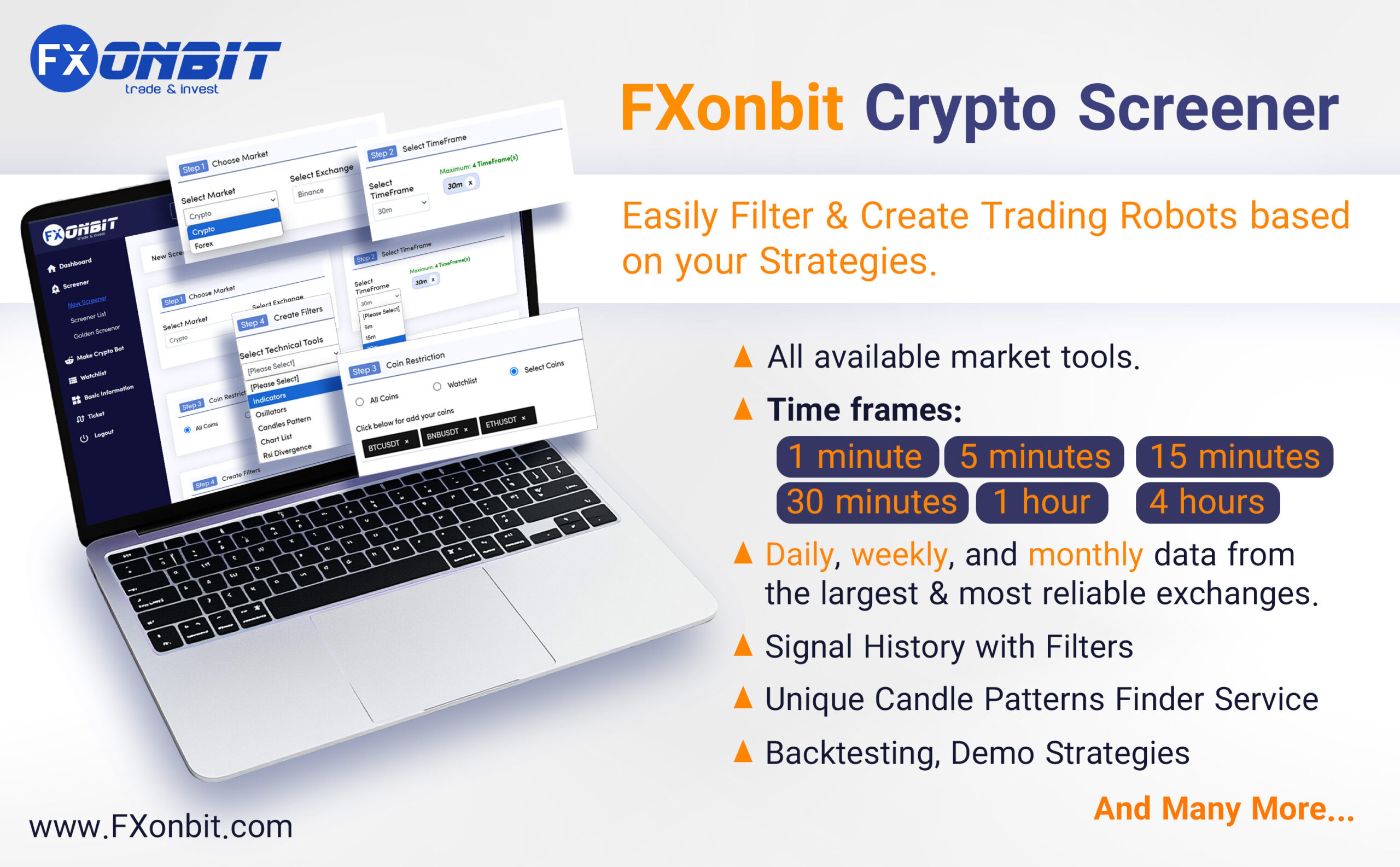
In the financial world, screeners are essential tools for traders and investors to filter assets based on specific criteria. Whether you’re trading cryptocurrencies or stocks, these tools offer valuable insights to help make informed decisions.
However, the functionality and relevance of crypto screeners and stock screeners differ significantly due to the unique characteristics of each market. Let’s dive into these differences and understand the benefits they offer in their respective domains.
Start Our Dashboard Forex & Crypto
Understanding Screeners
A screener is a software tool or platform designed to sift through large sets of assets, applying filters like price, volume, market capitalization, and technical indicators.
For example:
- Crypto Screeners: Focused on cryptocurrencies, they help identify trading opportunities in digital assets like Bitcoin, Ethereum, and altcoins. These screeners often include additional features such as filtering by blockchain-specific data, tracking decentralized exchanges (DEXs), and analyzing tokenomics.
- Stock Screeners: Designed for traditional equities, they assist in analyzing stocks listed on exchanges such as the NYSE or NASDAQ. Stock screeners often include filters for financial ratios, dividends, industry categories, and institutional investor activity.
While the basic principle is similar, the operational aspects vary greatly due to the inherent differences between the crypto and stock markets.
Read more: How to Customize Crypto Screener to Match Your Trading Strategy

Key Differences Between Crypto Screeners and Stock Screeners
1. Market Hours
- Crypto Screeners: The cryptocurrency market operates 24/7, requiring crypto screeners to provide real-time updates continuously. This uninterrupted nature means traders need tools with robust alert systems, continuous chart updates, and notifications about sudden market movements. The always-on market creates unique challenges for screeners in managing latency and uptime.
- Stock Screeners: Stocks are traded during specific market hours, with updates typically limited to those trading sessions. Extended hours trading data might be available, but it’s less comprehensive. Stock screeners often provide pre-market and after-hours data, helping traders analyze early indicators and end-of-day movements.
Explore more: What is Crypto Screener? The Best Crypto Screener
2. Volatility
- Crypto Screeners: Cryptocurrencies are known for extreme price volatility. Crypto screeners often include volatility filters and alerts to help traders navigate sudden price swings. Features like whale tracker alerts—which signal significant transactions from large holders—can provide early warnings for potential market moves.
- Stock Screeners: While stocks can be volatile, the swings are usually less dramatic. Stock screeners emphasize stability and long-term trends, often incorporating beta values to measure a stock’s volatility relative to the overall market.
3. Data Points and Metrics
- Crypto Screeners: Include metrics specific to blockchain, such as transaction volume, hash rates, token supply, and on-chain activity. Advanced screeners may integrate DeFi metrics, including liquidity pool statistics, staking yields, and governance activity. These features are critical for traders who focus on the broader ecosystem of a cryptocurrency.
- Stock Screeners: Rely on traditional financial metrics like earnings per share (EPS), price-to-earnings ratio (P/E), dividend yield, and revenue growth. Some stock screeners also provide insights into macroeconomic indicators and company-specific events, such as earnings reports and mergers.
4. Market Participants
- Crypto Screeners: Cater to a diverse range of participants, from retail traders to institutional investors, often incorporating sentiment analysis from social media and news platforms. Many screeners also feature community-driven insights, where traders can share and discuss strategies.
- Stock Screeners: Primarily used by institutional investors, day traders, and analysts focusing on company fundamentals and technical analysis. They often include tools for sector analysis, enabling investors to compare performance across industries.
Take Our Poll! What Features Do You Want in a Crypto Screener? Share Your Input!
5. Regulation
- Crypto Screeners: Operate in a relatively nascent market with varying degrees of regulation across jurisdictions, requiring features that account for jurisdictional compliance. Advanced screeners may also include tools for monitoring regulatory news and compliance alerts, which are crucial for traders in highly regulated environments.
- Stock Screeners: Operate within well-regulated frameworks with standardized reporting and compliance measures. This ensures a higher degree of transparency and reliability in the data provided by stock screeners.
Explore more: The Evolution of Crypto Screeners: From Manual Analysis to AI-Driven Insights

Read it: How to Identify Breakouts by Crypto Screener
Benefits of Crypto Screeners
- 24/7 Monitoring: Continuous updates enable traders to seize opportunities anytime, anywhere. This is particularly important for crypto traders who rely on rapid execution in a fast-moving market.
- On-Chain Data Insights: Helps traders understand network health and token utility. For instance, analyzing transaction volume can reveal user activity and adoption trends.
- Custom Alerts: Allows setting alerts for sudden price movements or specific technical patterns, enabling proactive decision-making.
- Diversity of Assets: With thousands of cryptocurrencies, screeners help filter promising projects among lesser-known tokens. This diversity creates opportunities for traders to find undervalued assets early.
- Integration with DeFi Platforms: Advanced screeners can analyze decentralized finance (DeFi) metrics like liquidity pools, staking rewards, and lending rates, giving traders an edge in evaluating DeFi projects.
Explore more: Top Indicators in Crypto Screeners for Effective Trading

Read more: Best Crypto Screener for Trading
Benefits of Stock Screeners
- Rich Fundamental Data: Access to in-depth company financials and performance metrics. Stock screeners often include historical earnings data, growth rates, and valuation ratios, providing a comprehensive view of a company’s health.
- Regulatory Compliance: Standardized data ensures reliability and consistency. This compliance reduces the risk of misinformation and enhances trust in the screening process.
- Industry Analysis: Sector and industry-specific filters help identify trends and opportunities. For example, a screener can highlight top-performing industries during specific economic cycles.
- Institutional Insights: Includes features like insider trading activity and institutional holdings, which can provide clues about market sentiment and confidence in a company.
- Historical Trends: Offers decades of historical data for backtesting and analysis. This feature is particularly useful for long-term investors and analysts studying market behavior over extended periods.
Read: Crypto Screener vs Stock Screener
Which Screener Is Right for You?
Choosing between a crypto screener and a stock screener depends on your trading goals, market preferences, and risk appetite:
- If you’re drawn to high-risk, high-reward opportunities and emerging technologies, a crypto screener is invaluable. These tools are ideal for those looking to explore the fast-evolving digital asset landscape.
- If you prefer a more structured and historically proven market, stock screeners offer the tools needed to analyze equities effectively. They are better suited for investors focused on stability and long-term growth.
Read Related: 40 Powerful Candlestick Patterns in Forex & Crypto
Conclusion
Both crypto and stock screeners play pivotal roles in empowering traders and investors. Understanding their unique functionalities and benefits can significantly enhance your decision-making process. By leveraging the right screener for your chosen market, you can stay ahead of trends, identify profitable opportunities, and optimize your trading strategies. Additionally, exploring advanced features, such as custom alerts, historical analysis, and integration with broader financial tools, can elevate your trading experience.
Read more: Governance Tokens: Empowering Traders in the Crypto Ecosystem

Hi, I’m Asena, a Senior Marketing Specialist with over 8 years of experience and a deep passion for trading knowledge. I have a genuine fascination with the world of Crypto and Forex markets. Over the past 6 years, I’ve dedicated myself to writing about technical analysis, fundamental analysis, and the intricate dynamics of these markets. My mission is to provide the most complete and comprehensive data to empower my audience with actionable insights. I truly love what I do and constantly strive to deliver the best possible results for my readers and users.
Related Article
Leave a Comment

Asena Taremi