25 Jan

Liquidity is a crucial factor in cryptocurrency trading. High-liquidity assets are easier to buy and sell, with minimal price slippage, making them ideal for active traders and large-scale investors. Crypto screeners are powerful tools for filtering high-volume cryptocurrencies and identifying liquid assets in the market.
In this guide, we’ll walk you through how to use a crypto screener effectively to prioritize liquidity and make smarter trading decisions.
Explore more: What is Crypto Screener? The Best Crypto Screener
Why Liquidity Matters in Crypto Trading
Liquidity refers to how easily an asset can be bought or sold without significantly impacting its price. High-liquidity cryptocurrencies, such as Bitcoin and Ethereum, are preferred by traders for several reasons:
- Tight Spreads: Narrow bid-ask spreads ensure minimal price differences between buyers and sellers.
- Reduced Slippage: High-liquidity assets experience smaller price deviations during large trades.
- Faster Execution: Trades are processed quickly, even during volatile market conditions.
- Market Stability: Liquidity contributes to more stable price movements, reducing extreme fluctuations.
Low-liquidity assets, on the other hand, can lead to delayed execution and higher trading risks, making them less appealing to many traders.
Explore more: Understanding Volume in Trading: A Beginner’s Guide
Explore more: How to Use Volume to Confirm Market Trends and Read Market Sentiment
How Crypto Screeners Help Identify High-Volume Cryptos
Crypto screeners are designed to analyze vast market data and filter assets based on specific criteria, including trading volume. By focusing on high-volume cryptos, traders can quickly identify liquid assets. Here’s how to use a screener for this purpose:
Step 1: Set Volume Filters
Volume is the primary metric for assessing liquidity. Configure your screener with the following volume-based filters:
- 24-Hour Trading Volume: Filter assets with high daily trading volumes (e.g., $100 million or more).
- Volume Percentage Change: Identify cryptos with significant volume spikes compared to the previous day (e.g., 50% increase or more).
- Volume-to-Market Cap Ratio: Look for assets with a high ratio, indicating active trading relative to their market size.
Why: These filters ensure you’re targeting cryptocurrencies with the highest trading activity, reducing the risk of illiquid trades.
Explore more: Analyzing Volume Patterns for Breakout & Reversal Signals
Step 2: Include Market Cap Filters
Market capitalization often correlates with liquidity. Use your screener to:
- Focus on large-cap assets (e.g., Bitcoin, Ethereum) with proven liquidity.
- Exclude micro-cap coins (<$10 million) that typically have low trading volumes.
Why: High market cap cryptos are generally more liquid and stable, making them ideal for consistent trading.
Explore more: Volume Analysis for Day Traders: How to Maximize Profits
Step 3: Monitor Exchange Volume
Not all trading volume is created equal. Check the exchange volume for specific assets:
- Top-Tier Exchanges: Prioritize assets traded on reputable exchanges with high liquidity (e.g., Binance, Coinbase, Kraken).
- Volume Distribution: Ensure trading volume isn’t concentrated on a single exchange, as this can indicate a lack of widespread liquidity.
Why: High-volume assets traded across multiple exchanges are more reliable and accessible.
Explore more: Liquidity; The Backbone of Financial Markets
Step 4: Analyze Technical Indicators
While volume metrics are essential, combining them with technical indicators can provide deeper insights:
- Bollinger Bands: Narrow bands often indicate low liquidity, while wider bands suggest increased activity.
- Average True Range (ATR): High ATR values signal greater price movements, often driven by high trading volume.
- Moving Averages: Check for assets consistently trading above key moving averages with sustained volume.
Why: These indicators validate volume trends and ensure liquidity aligns with market conditions.
Take Our Poll! What Features Do You Want in a Crypto Screener? Share Your Input!
Step 5: Use Alerts for Real-Time Updates
Set up alerts in your crypto screener to track high-volume cryptos in real time. Common alert configurations include:
- Significant increases in 24-hour volume.
- Sudden spikes in the volume-to-market cap ratio.
- Volume surges accompanied by price breakouts or breakdowns.
Why: Alerts help you act quickly on emerging opportunities without constant monitoring.
Read more: Weighted Moving Average (WMA): A Comprehensive Guide for Traders
Step 6: Validate Liquidity with Order Book Data
While screeners provide volume metrics, validating liquidity through order books offers additional insights:
- Depth of Market (DOM): Analyze buy and sell orders to gauge the strength of liquidity at various price levels.
- Order Size: Check for large orders on both sides of the book, indicating active trading.
Why: Order book data confirms whether trading volume translates into real liquidity.
Explore more: Top Indicators in Crypto Screeners for Effective Trading
Example: Spotting High-Volume Cryptos with a Screener
Scenario: A trader wants to find high-liquidity cryptos for day trading.
- Filters Applied: 24-hour trading volume > $500 million, volume-to-market cap ratio > 0.05, market cap > $1 billion.
- Indicators Used: Bollinger Bands and ATR to validate liquidity trends.
- Action: The screener highlights Ethereum and Solana as high-volume assets. The trader validates liquidity through order book data and enters a trade with confidence.
Read more: Introduction to Ichimoku Cloud

Tips for Prioritizing Liquidity in Trading
- Stay Updated: Liquidity levels can fluctuate quickly, particularly during news events or sudden market shifts. For instance, during significant announcements like interest rate changes, geopolitical events, or company earnings reports, market participants may adjust their positions all at once or in large numbers, causing liquidity to either spike or dry up. Staying informed about upcoming economic calendars and breaking news ensures you’re not caught off guard when liquidity conditions change.
- Diversify: Don’t rely solely on a single metric like trading volume to gauge liquidity. Volume provides insight into how many trades are happening, but it doesn’t always reflect how easily you can enter or exit a position without affecting the price. Combine it with other metrics like market capitalization (to assess asset stability), order book depth (to see how much demand and supply exists at different price levels), and technical indicators that reveal historical patterns of liquidity during specific market conditions. This multi-dimensional approach gives a more comprehensive view of an asset’s liquidity.
- Manage Risk: Even assets with high liquidity can experience slippage during periods of extreme volatility. For instance, when the market is moving rapidly, the price at which you intend to trade might differ from the actual executed price. This is particularly risky for large orders, which can cause noticeable price impact. To manage this, consider using tools like limit orders to control entry and exit prices and avoid market orders during volatile periods. Additionally, position sizing and setting stop-loss levels carefully can help mitigate the risk of unexpected liquidity drops impacting your trades significantly.
Read more: FXonbit CandleStick Pattern Finder Service: Your Gateway to Smarter Forex and Crypto Trading

Why FXonbit’s Crypto Screener Is Ideal for Finding High-Liquidity Assets
At FXonbit, we understand the importance of liquidity in successful trading. Our advanced crypto screener provides:
- Comprehensive Volume Metrics: Filter by 24-hour volume, volume percentage changes, and volume-to-market cap ratios.
- Advanced Indicators: Access Bollinger Bands, ATR, and other tools to validate liquidity.
- Real-Time Alerts: Stay ahead with instant notifications for high-volume opportunities.
- User-Friendly Interface: Simplify the process of finding liquid assets with intuitive tools.
- Reliable Data: Access accurate and up-to-date metrics from top exchanges.
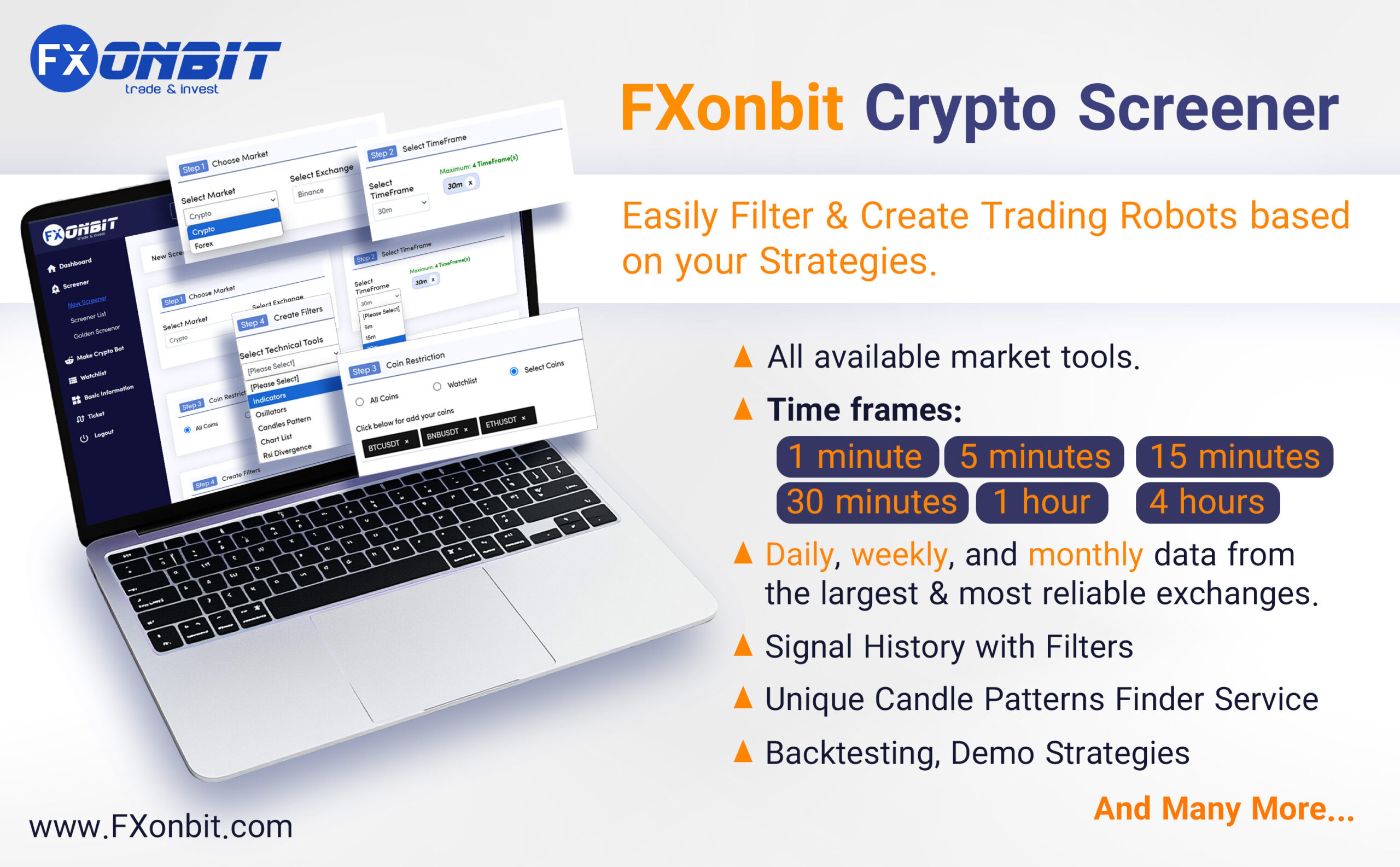
With FXonbit’s screener, prioritizing high-liquidity cryptos has never been easier. Visit FXonbit.com to start filtering for liquid assets today.
Read more: Ichimoku Cloud Trading Strategies for Beginners

Read more: Advanced Ichimoku Cloud Trading Strategies
By focusing on high-volume cryptocurrencies, traders can minimize risk, improve execution, and capitalize on market opportunities. With tools like FXonbit’s Advanced Crypto Screener, identifying and prioritizing liquid assets becomes a seamless and effective process.
Read Related: 40 Powerful Candlestick Patterns in Forex & Crypto

Hi, I’m Asena, a Senior Marketing Specialist with over 8 years of experience and a deep passion for trading knowledge. I have a genuine fascination with the world of Crypto and Forex markets. Over the past 6 years, I’ve dedicated myself to writing about technical analysis, fundamental analysis, and the intricate dynamics of these markets. My mission is to provide the most complete and comprehensive data to empower my audience with actionable insights. I truly love what I do and constantly strive to deliver the best possible results for my readers and users.
Related Article



Leave a Comment

Asena Taremi