08 Jan
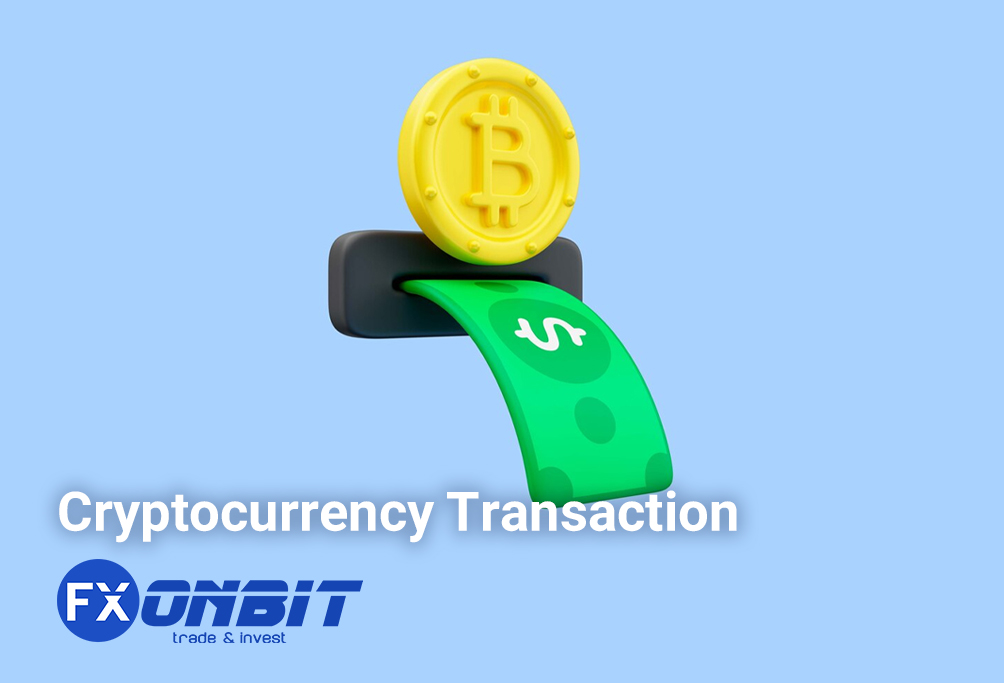
Cryptocurrency operates on a decentralized technology called blockchain, which is a digital ledger of transactions maintained by a network of computers. Unlike traditional currencies issued by governments and regulated by central banks, cryptocurrencies are governed by cryptographic protocols and a distributed network of participants.
Read more: How to Stake Ethereum for Passive Income: A Complete Guide
Here’s a breakdown of the key components:
- Blockchain Technology:
- A blockchain is a series of blocks, each containing a list of transactions. Once a block is filled with transaction data, it is linked to the previous block, forming a secure chain.
- This structure ensures transparency and immutability, as altering any block requires consensus from the entire network.
- Each participant (node) in the network has a copy of the blockchain, ensuring decentralization and reducing the risk of a single point of failure.
- Mining:
- Mining is the process of validating transactions and adding them to the blockchain. Miners solve complex mathematical problems, which ensures the legitimacy of transactions and secures the network.
- In return, miners are rewarded with newly created cryptocurrency units, such as Bitcoin or Ethereum.
- There are different consensus mechanisms for validation, including Proof of Work (PoW) and Proof of Stake (PoS). While PoW is energy-intensive, PoS is more environmentally friendly and efficient.
- Smart Contracts:
- Smart contracts are self-executing contracts with terms directly written into code. They automatically execute actions when predefined conditions are met.
- For example, a smart contract on Ethereum could release funds to a seller once a buyer confirms receipt of goods, eliminating the need for intermediaries.
- Smart contracts are revolutionizing industries like real estate, insurance, and supply chain management by increasing efficiency and reducing costs.
Find Out More: The Ultimate Guide to Cryptocurrency 2025
How Does a Cryptocurrency Transaction Work?
Cryptocurrency transactions are simple yet highly secure. Here’s how the process unfolds:
- Initiation:
- The sender initiates a transaction by specifying the recipient’s public key (address) and the amount to transfer.
- The transaction is digitally signed using the sender’s private key, ensuring authenticity and security.
- Broadcasting:
- The transaction is broadcast to the cryptocurrency’s network, where nodes verify its validity.
- Nodes check that the sender has sufficient funds and that the digital signature matches the sender’s public key.
- Validation and Inclusion:
- Valid transactions are grouped into a block by miners or validators, depending on the consensus mechanism.
- Once the block is validated, it is added to the blockchain, making the transaction permanent and immutable.
- Confirmation:
- The recipient receives the cryptocurrency once the transaction is confirmed. Confirmations occur as subsequent blocks are added to the blockchain, making the transaction more secure over time.
Find Out More: What is Crypto Automation? Enhancing Trading Precision in the Digital Era

Is Cryptocurrency Money?
Cryptocurrency challenges traditional definitions of money, but it fulfills key criteria:
- Medium of Exchange:
- Cryptocurrencies like Bitcoin and Litecoin are widely used for purchasing goods and services, both online and offline.
- Store of Value:
- Cryptocurrencies can preserve value over time, though their volatility makes them riskier compared to traditional assets like gold or fiat currencies.
- Unit of Account:
- Cryptocurrencies can measure value and price goods, though adoption as a standard unit of account is still limited.
While cryptocurrency meets the criteria for money, it also introduces novel features such as decentralization, programmability, and censorship resistance, making it more versatile than traditional currencies.
Read more: On-Balance Volume (OBV): A Complete Guide for Traders
What is Central Bank Digital Currency (CBDC)?
A Central Bank Digital Currency (CBDC) is a digital version of a country’s fiat currency, issued and regulated by the central bank. Unlike decentralized cryptocurrencies, CBDCs operate within a centralized framework, ensuring government oversight and control.
Explore more: What is Crypto Screener? The Best Crypto Screener
Features of CBDCs:
- Government-Backed:
- CBDCs represent a claim on the central bank, similar to physical cash, ensuring trust and stability.
- Digitized Fiat:
- CBDCs are designed to complement physical currency, providing a digital alternative for transactions.
- Enhanced Payment Systems:
- CBDCs aim to modernize payment systems, making transactions faster, cheaper, and more accessible, especially for cross-border payments.
Benefits of CBDCs:
- Financial Inclusion: Providing unbanked populations with access to digital payment systems.
- Reduced Transaction Costs: Streamlining payments and reducing reliance on intermediaries.
- Transparency: Enhancing the traceability of transactions to combat fraud and money laundering.
Find Out More: Cryptocurrency Wallets: Which One is Right for You?
How CBDCs Differ from Cryptocurrencies:
| Feature | CBDCs | Cryptocurrencies |
|---|---|---|
| Issuer | Central Bank | Decentralized Network |
| Control | Centralized | Decentralized |
| Volatility | Stable (pegged to fiat) | High |
| Anonymity | Limited | Moderate to High |
| Use Cases | Government-driven programs | Diverse, including DeFi |
Related Chart: Ascending Broadening Wedge: A Comprehensive Guide for Traders
Simplifying Blockchain Concepts with Analogies
- Blockchain as a Digital Ledger:
- Imagine a public notebook where every participant can write down transactions. Once written, entries cannot be erased or altered, ensuring transparency and trust.
- Mining as Puzzle-Solving:
- Think of mining as solving a Sudoku puzzle. The first person to solve the puzzle gets rewarded, and the solution is shared with everyone to verify its accuracy.
- Smart Contracts as Vending Machines:
- A vending machine executes a predefined action (dispensing snacks) when conditions (inserting money) are met. Smart contracts work similarly, executing actions when programmed conditions are satisfied.
Explore Now: Top 10 Crypto Market Trends in 2025
Conclusion
Cryptocurrency represents a revolutionary shift in how we think about money and transactions. By leveraging blockchain technology, mining, and smart contracts, cryptocurrencies offer a decentralized, secure, and efficient alternative to traditional financial systems. Whether you view cryptocurrency as money, an investment, or a technological breakthrough, its applications and implications are vast and transformative. As the space evolves, understanding these foundational concepts is crucial for navigating the future of finance.
More Guide: How to Use Cryptocurrency for Everyday Payments

Hi, I’m Asena, a Senior Marketing Specialist with over 8 years of experience and a deep passion for trading knowledge. I have a genuine fascination with the world of Crypto and Forex markets. Over the past 6 years, I’ve dedicated myself to writing about technical analysis, fundamental analysis, and the intricate dynamics of these markets. My mission is to provide the most complete and comprehensive data to empower my audience with actionable insights. I truly love what I do and constantly strive to deliver the best possible results for my readers and users.
Related Article


Leave a Comment

Asena Taremi