08 Jan

What is Cryptocurrency?
Cryptocurrency, sometimes called crypto-currency or crypto, is a form of digital or virtual currency that uses cryptography to secure transactions. Unlike traditional money, cryptocurrencies operate on a decentralized system, eliminating the need for a central issuing or regulating authority. Instead, Crypto transactions are recorded and verified on a distributed public ledger called blockchain.
Read more: FXonbit CandleStick Pattern Finder Service: Your Gateway to Smarter Forex and Crypto Trading
Cryptocurrency payments exist as digital entries in a database, ensuring every transaction is transparent and secure. The first cryptocurrency, Bitcoin, was introduced in 2009 and remains the most recognized. Its creation sparked a wave of innovation, leading to thousands of cryptocurrencies with varying purposes and features.
Key characteristics of cryptocurrency include:
- Decentralization: No central authority governs it.
- Security: Cryptography ensures safe and tamper-proof transactions.
- Global Accessibility: Cryptocurrencies can be sent and received anywhere worldwide.
- Transparency: Blockchain technology allows public verification of all transactions.
Find Out More: The Ultimate Guide to Cryptocurrency 2025

How Does Cryptocurrency Work?
Cryptocurrencies operate on blockchain technology, a decentralized digital ledger that records all transactions. Here’s a detailed breakdown of how they work:
- Blockchain:
- The blockchain is the backbone of cryptocurrency. Each transaction is grouped into a block. Once the block reaches its capacity, it is linked to the previous block, forming a chain. This chain is distributed across thousands of nodes (computers), ensuring transparency and preventing tampering.
- Mining:
- Mining is the process of validating transactions and adding them to the blockchain. Miners solve complex cryptographic puzzles using high-powered computers, ensuring the legitimacy of transactions. In return, they are rewarded with newly created cryptocurrency units.
- Different cryptocurrencies use various consensus mechanisms. Bitcoin, for instance, relies on Proof of Work (PoW), while Ethereum has transitioned to Proof of Stake (PoS), which is more energy-efficient. Some newer cryptocurrencies also use hybrid mechanisms combining PoW and PoS.
- Digital Wallets:
- Digital wallets store private keys, which are essential for accessing and transferring cryptocurrencies. These wallets can be hot (online) or cold (offline) and ensure that users have full control over their funds. Examples include MetaMask (hot wallet) and Ledger (cold wallet).
- Hot wallets are convenient for frequent transactions but are more vulnerable to cyberattacks. Cold wallets, on the other hand, are highly secure and ideal for long-term storage.
- Transactions:
- Transactions are initiated when a user sends cryptocurrency to another wallet. These transactions are broadcast to the network, verified by nodes, and added to the blockchain. Transactions are irreversible, ensuring trust and security.
- Advanced features like atomic swaps enable direct exchanges between two different cryptocurrencies without a third party.
- Cryptography:
- Cryptography plays a critical role in securing transactions. Public and private keys, along with hashing algorithms, ensure that data remains secure and unalterable. This prevents fraud, unauthorized access, and tampering.
While cryptocurrencies are primarily used as a payment method, their applications have expanded to include trading, investing, decentralized finance (DeFi), gaming, and powering decentralized applications (dApps).
Find Out More: What is Crypto Automation? Enhancing Trading Precision in the Digital Era
Cryptocurrency Examples
Here are some of the most popular cryptocurrencies:
- Bitcoin (BTC):
- Launched in 2009 by an anonymous creator known as Satoshi Nakamoto.
- Often referred to as digital gold due to its limited supply of 21 million coins.
- Used as a store of value and medium of exchange.
- Bitcoin has become the benchmark for all other cryptocurrencies and is widely accepted as a payment method.
- Ethereum (ETH):
- Introduced in 2015 as a blockchain platform for smart contracts and decentralized applications (dApps).Its cryptocurrency, Ether (ETH), is essential for powering transactions and executing smart contracts on the network.
- The backbone of decentralized finance (DeFi) and non-fungible tokens (NFTs), Ethereum is continuously evolving through upgrades like Ethereum 2.0, which improves scalability and energy efficiency.
- Litecoin (LTC):
- Created in 2011 by Charlie Lee as a faster and lighter alternative to Bitcoin.
- Features quicker transaction times and lower fees, making it suitable for everyday transactions.
- Litecoin is often considered the silver to Bitcoin’s gold.
- Ripple (XRP):
- Developed in 2012 to facilitate real-time global payments.
- Ripple’s blockchain focuses on partnerships with financial institutions, enabling efficient cross-border transactions.
- Unlike many cryptocurrencies, Ripple does not rely on mining; instead, its supply is pre-mined and controlled by Ripple Labs.
- Altcoins:
- A collective term for non-Bitcoin cryptocurrencies, altcoins aim to address specific limitations of Bitcoin. Examples include:
- Cardano (ADA): Known for its academic research-driven development and energy efficiency.
- Polkadot (DOT): Focused on interoperability between blockchains, enabling seamless data and asset transfers.
- Solana (SOL): Renowned for high-speed transactions and scalability, making it a favorite for DeFi and NFT platforms.
- A collective term for non-Bitcoin cryptocurrencies, altcoins aim to address specific limitations of Bitcoin. Examples include:
- Stablecoins:
- Cryptocurrencies designed to minimize price volatility by pegging their value to stable assets, such as fiat currencies or commodities. Examples include:
- Tether (USDT): Pegged to the US Dollar, widely used in trading as a stable asset.USD Coin (USDC): Backed by reserves, ensuring transparency and stability.Dai (DAI): An algorithmic stablecoin maintained through over-collateralization.
- Stablecoins bridge the gap between fiat and cryptocurrencies, offering stability and liquidity in volatile markets.
- Cryptocurrencies designed to minimize price volatility by pegging their value to stable assets, such as fiat currencies or commodities. Examples include:
Get more: Bitcoin Price Prediction for 2025: Insights for Traders
How to Buy Cryptocurrency
Getting started with cryptocurrency involves three main steps:
- Choosing a Platform:
- Traditional Brokers: Offer cryptocurrencies alongside other financial assets like stocks and bonds. Examples: eToro, Robinhood.
- Cryptocurrency Exchanges: Platforms like Binance, Coinbase, Kraken, and Gemini provide access to a variety of cryptocurrencies. Compare features such as fees, security, educational resources, and the range of available coins before selecting an exchange.
- Funding Your Account:
- Deposit fiat money (like USD or EUR) via debit/credit cards, bank transfers, or other payment methods.
- Be aware of fees associated with deposits and withdrawals. Some platforms also accept ACH transfers, PayPal, or wire transfers for funding.
- Certain exchanges offer peer-to-peer (P2P) trading, enabling users to buy crypto directly from other users.
- Placing an Order:
- Choose the cryptocurrency you want to buy.
- Specify the amount and order type (e.g., market order for immediate execution or limit order to set a specific price).
- Confirm the transaction and monitor your portfolio regularly.
Find Out More: Top Altcoins for Long-Term Investment in 2025
How to Store Cryptocurrency
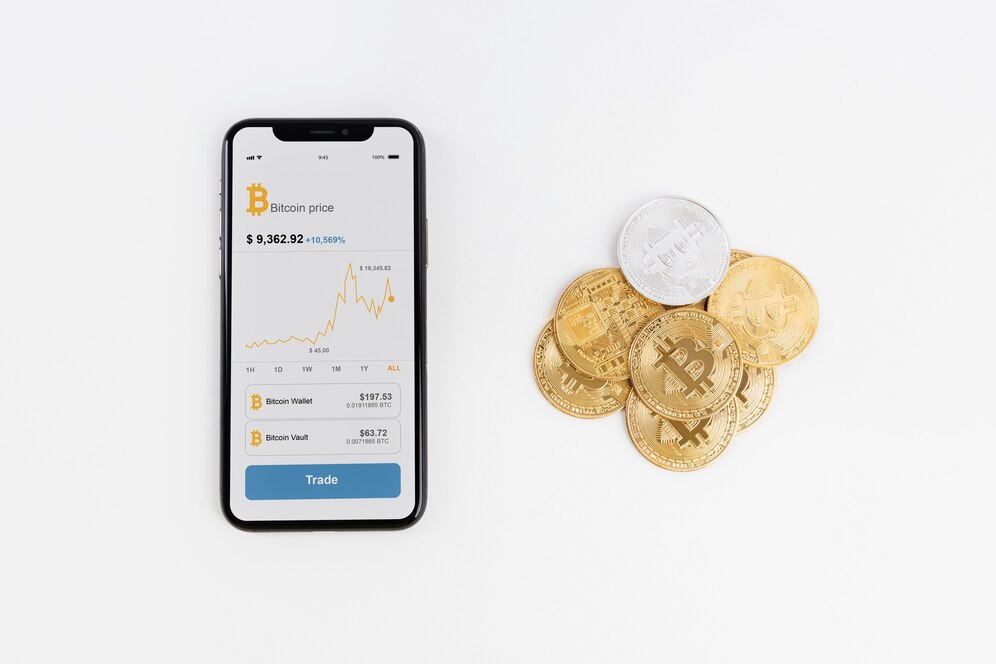
Storing cryptocurrency securely is crucial to protecting your assets from theft and hacks. Options include:
- Hot Wallets:
- Online wallets connected to the internet.
- Convenient for frequent trading but more vulnerable to cyberattacks.
- Examples: MetaMask, Trust Wallet, Coinbase Wallet.
- Cold Wallets:
- Offline wallets that store private keys on physical devices.
- Highly secure and ideal for long-term storage.
- Examples: Ledger Nano X, Trezor Model T.
- Custodial vs. Non-Custodial Wallets:
- Custodial Wallets: Managed by third-party platforms, offering ease of use but less control.
- Non-Custodial Wallets: Provide full control of private keys, ensuring maximum security and independence.
Some exchanges also offer integrated wallet services, but using a dedicated wallet provides greater control over your funds.
Learn more: How to Secure Your Bitcoin Wallet in 2025
Is Cryptocurrency Safe?
Cryptocurrencies are generally secure due to blockchain technology, which provides a tamper-proof system for recording transactions. However, there are risks:
- Hacking:
- While blockchains are secure, exchanges and wallets can be targeted.
- Use strong passwords, enable two-factor authentication (2FA), and consider hardware wallets for added security.
- Volatility:
- Prices can fluctuate dramatically, posing risks for investors.
- Regulatory Uncertainty:
- Governments are still establishing cryptocurrency regulations, which could affect its value and usability.
Read more: How to Customize Crypto Screener to Match Your Trading Strategy
Tips for Safe Cryptocurrency Investment
- Research Exchanges: Choose a reputable platform with strong security features.
- Diversify Investments: Spread your funds across multiple cryptocurrencies to reduce risk.
- Secure Your Wallet: Use cold wallets for long-term storage and enable security measures.
- Prepare for Volatility: Only invest what you can afford to lose and avoid emotional decisions.
- Stay Informed: Follow market trends, regulatory changes, and technological advancements.
The Future of Cryptocurrency
The potential of cryptocurrency extends far beyond digital payments. Here are some trends shaping its future:
- Decentralized Finance (DeFi):
- Eliminates intermediaries in financial transactions.
- Offers services like lending, borrowing, and trading directly on blockchain platforms.
- Mainstream Adoption:
- More businesses are accepting cryptocurrencies as payment.
- Financial institutions are exploring crypto-backed products and solutions.
- Integration with Web3:
- Cryptocurrencies will play a key role in the development of a decentralized internet.
- Green Cryptocurrencies:
- Efforts are underway to reduce the environmental impact of crypto mining by adopting energy-efficient models like Proof of Stake (PoS).
- Tokenization of Assets:
- Real-world assets like real estate, art, and commodities are being tokenized on blockchain platforms, increasing accessibility and liquidity.
Read more: Maximize Your Crypto Profits with a Crypto Screener
What Can You Buy with Cryptocurrency?
Cryptocurrencies are becoming more widely accepted for a variety of goods and services. Here’s what you can buy:
- E-commerce and Retail:
- Major online retailers, including Overstock and Newegg, accept Bitcoin and other cryptocurrencies.
- Platforms like Shopify enable merchants to integrate cryptocurrency payment systems.
- Travel:
- Book flights, hotels, and rental cars through services like Travala, CheapAir, and Expedia, which accept cryptocurrencies.
- Some airlines and travel agencies now offer direct crypto payment options.
- Food and Beverage:
- Select restaurants and cafes, including international chains like Starbucks (via apps like Bakkt), accept crypto payments.
- Crypto can also be used for food delivery services in some regions.
- Real Estate:
- Real estate transactions are increasingly being conducted with cryptocurrencies, particularly for luxury properties.
- Companies like Propy specialize in blockchain-based real estate transactions.
- Luxury Goods:
- High-end brands, including jewelers and car manufacturers like Tesla, accept crypto for purchases.
- Digital Products and Subscriptions:
- Pay for VPNs, software licenses, and cloud storage services using cryptocurrencies.
- Streaming services like Sling TV accept crypto payments for subscriptions.
- Education and Charitable Donations:
- Some universities and non-profits accept cryptocurrencies for tuition fees and donations.
Basic Trading Concepts: What Is Technical Analysis?

More Guide: How to Use Cryptocurrency for Everyday Payments
Why Is Cryptocurrency the Future of Finance?
Cryptocurrency is transforming the financial landscape, offering revolutionary advantages over traditional systems. Here’s why it is considered the future of finance:
- Decentralization:
- Cryptocurrencies operate without intermediaries, reducing dependency on banks and governments. This democratizes access to financial systems globally.
- Financial Inclusion:
- Cryptocurrencies provide financial services to the unbanked population, enabling them to participate in the global economy.
- Efficiency:
- Transactions are processed faster and at a lower cost compared to traditional banking systems, especially for cross-border payments.
- Transparency:
- Blockchain technology ensures that all transactions are traceable and immutable, reducing fraud and corruption.
- Programmable Money:
- Smart contracts allow automated, trustless agreements, streamlining processes in industries like real estate, insurance, and supply chain management.
- Tokenization:
- Real-world assets can be represented as tokens on a blockchain, increasing accessibility, liquidity, and efficiency.
- Innovation and Flexibility:
- Cryptocurrencies support decentralized finance (DeFi), NFTs, and Web3, fostering an entirely new digital economy.
Read Analysis: Best Cryptocurrencies to Invest 2025
What Can You Do with Cryptocurrency?
Cryptocurrency isn’t just for buying and selling. Here are other exciting ways to use crypto:
- Investing and Trading:
- Cryptocurrencies are a popular asset class for both long-term and short-term investors. Platforms like Binance and Coinbase offer advanced trading options.
- Decentralized Finance (DeFi):
- Lend, borrow, and earn interest on cryptocurrencies without intermediaries through DeFi platforms like Aave and Compound.
- Staking and Yield Farming:
- Stake your cryptocurrencies to validate transactions on proof-of-stake blockchains and earn rewards. Yield farming involves providing liquidity to DeFi platforms in exchange for returns.
- Gaming and NFTs:
- Participate in blockchain-based games like Axie Infinity, where in-game assets can be bought, sold, and traded as NFTs (non-fungible tokens).
- Remittances:
- Send money globally with minimal fees and instant processing times using cryptocurrencies like XRP or Stellar (XLM).
- Crowdfunding and Donations:
- Support creators or causes by contributing cryptocurrencies through platforms like Patreon and GoFundMe or crypto-specific initiatives like The Giving Block.
- Earning Cryptocurrency:
- Earn crypto through mining, staking, or working for companies that pay in digital assets. Freelancing platforms like CryptoTask offer payment in Bitcoin and Ethereum.
- Building Decentralized Applications:
- Developers can create dApps on blockchains like Ethereum, enabling innovative solutions in finance, healthcare, and more.
Conclusion
Cryptocurrency represents a transformative shift in how we think about money and finance. Whether you’re interested in investing, trading, or simply learning, understanding the basics of cryptocurrency is the first step toward participating in this digital revolution. As with any investment, approach cautiously, stay informed, and secure your assets wisely.

Hi, I’m Asena, a Senior Marketing Specialist with over 8 years of experience and a deep passion for trading knowledge. I have a genuine fascination with the world of Crypto and Forex markets. Over the past 6 years, I’ve dedicated myself to writing about technical analysis, fundamental analysis, and the intricate dynamics of these markets. My mission is to provide the most complete and comprehensive data to empower my audience with actionable insights. I truly love what I do and constantly strive to deliver the best possible results for my readers and users.
Related Article

Leave a Comment

Asena Taremi